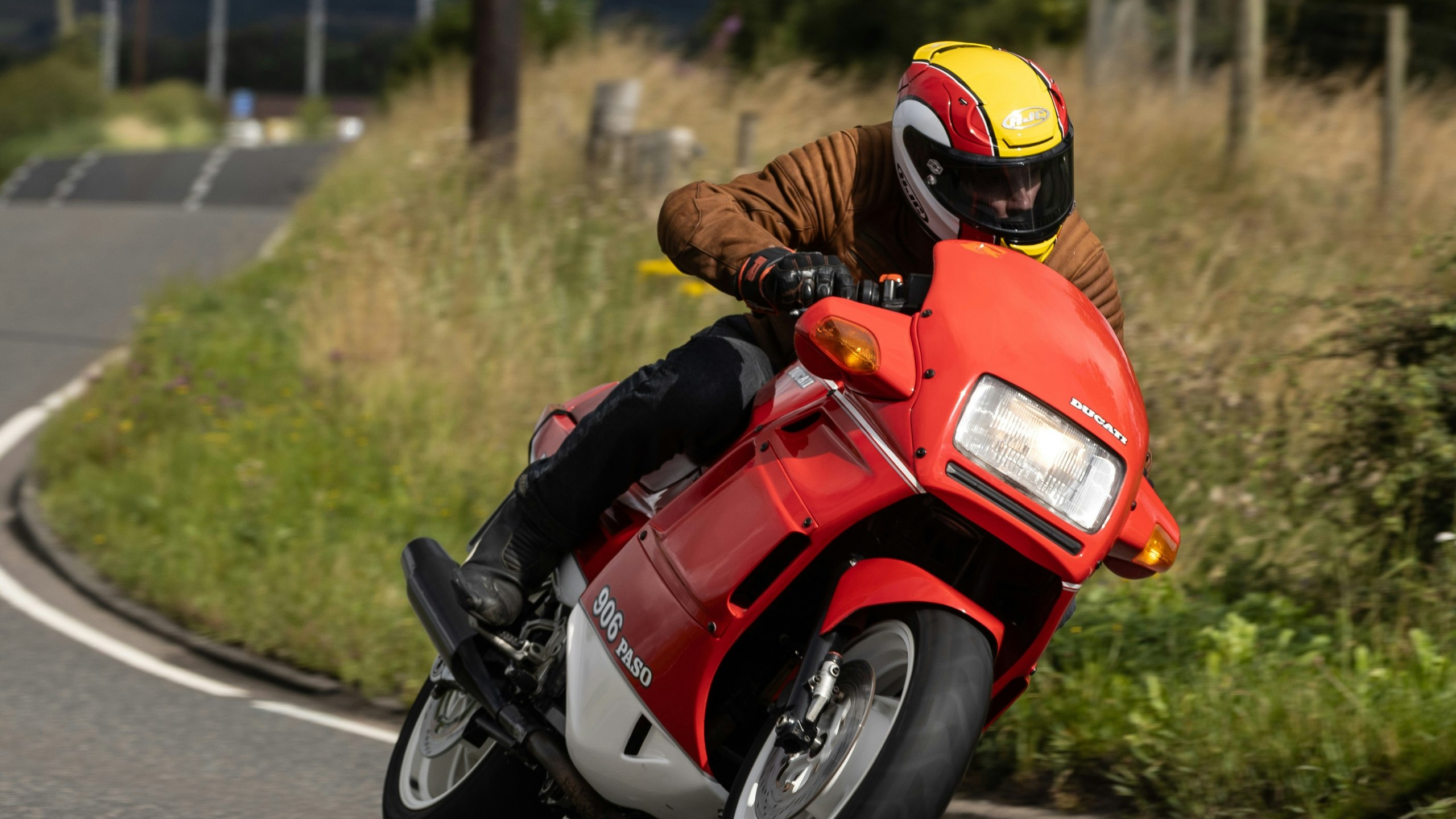
Sunday afternoon on the A444, heading south from Appleby Parva towards Twycross. On a family outing to my grandparents, I’m bouncing along on the back seat of my dad’s car when a gaggle of bikes rush up behind us. They blast past one at a time, but oncoming traffic means the machine at the back trails us for a bit – and it’s the most astounding device I’ve ever seen.
There’s no screen. Instead, the fairing extends up over the hunched rider and flows seamlessly to the tail beneath a colour-matched seat. Mirrors hang low and the front tyre looks fatter than the rear on most bikes. This bright red spaceship surges past with a deep bellow, and I catch a glimpse of its name – Paso.
This was 40 years ago, summer 1986, but I still remember it vividly. It was a fleeting encounter, yet the squat Ducati wedged itself in my cluttered head. The more I read up on it, the more fascinated I became. Not only futuristic and breaking with the brand’s tradition, I liked that the Paso also incorporated unusual solutions – and when a 906 version arrived in 1989 with its water-cooled engine based on the race-winning 851, it was surely the greatest bike ever. Who cared that period tests still grumbled about the low-speed fuelling from the car-type Weber carb and its grumpiness in town?
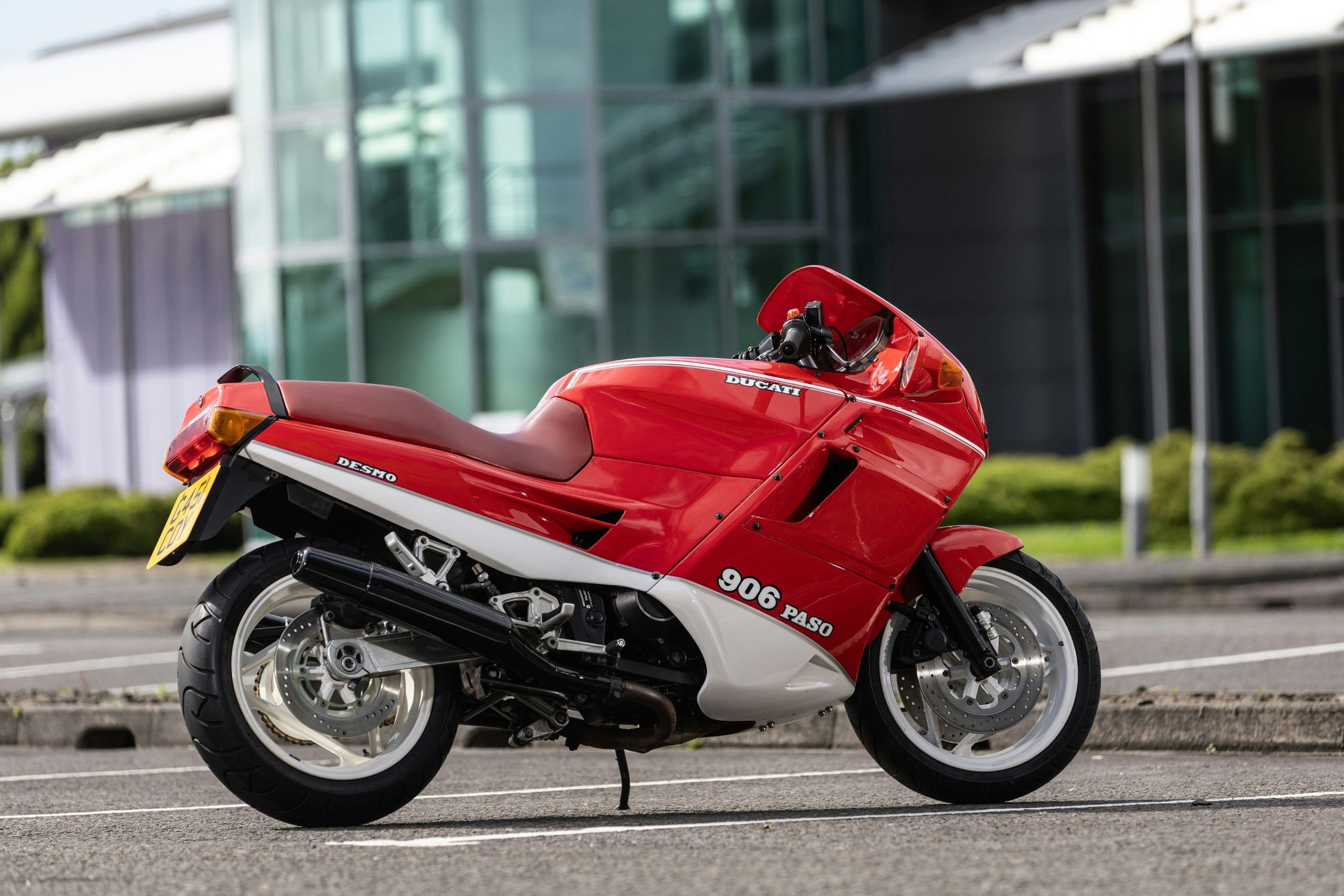
Standing outside the Moulsdale Foundation in Glasgow as their spotless 906 Paso exhibit warms on choke in the sunshine, I’m not sure whether my stomach feels strange due to nerves or excitement. After four decades of curiosity, I’m getting to ride one.
Any expectations of old school Ducati obstinance are blown away in the first few hundred yards. The riding position is a shock. The Paso places you forward, close to the comfortably-set ’bars and up over the headstock, with the scooped-out seat holding you in place and the top of the fairing (it’s wrong to call it a screen) barely in your peripheral vision. It’s astoundingly modern, almost like a current road sport bike. It still traps thumbs against the tank on full lock, though – perhaps engineered-in to appease Italian-bike traditionalists.
This perch gives fabulous control over the chassis. After rumbling through the edge of town, the Paso rolls with fabulous balance as we head into open countryside. Older Ducatis had a rearward weight bias and ponderous steering, which reappeared on 900SS models that followed the Paso through the 1990s. But this 906’s weight distribution seems spot-on. Steering is accurate despite the 130 width front tyre, stability is great, and the adjustable Marzocchi suspension feels… well, right. It’s a bike that rapidly brings confidence.
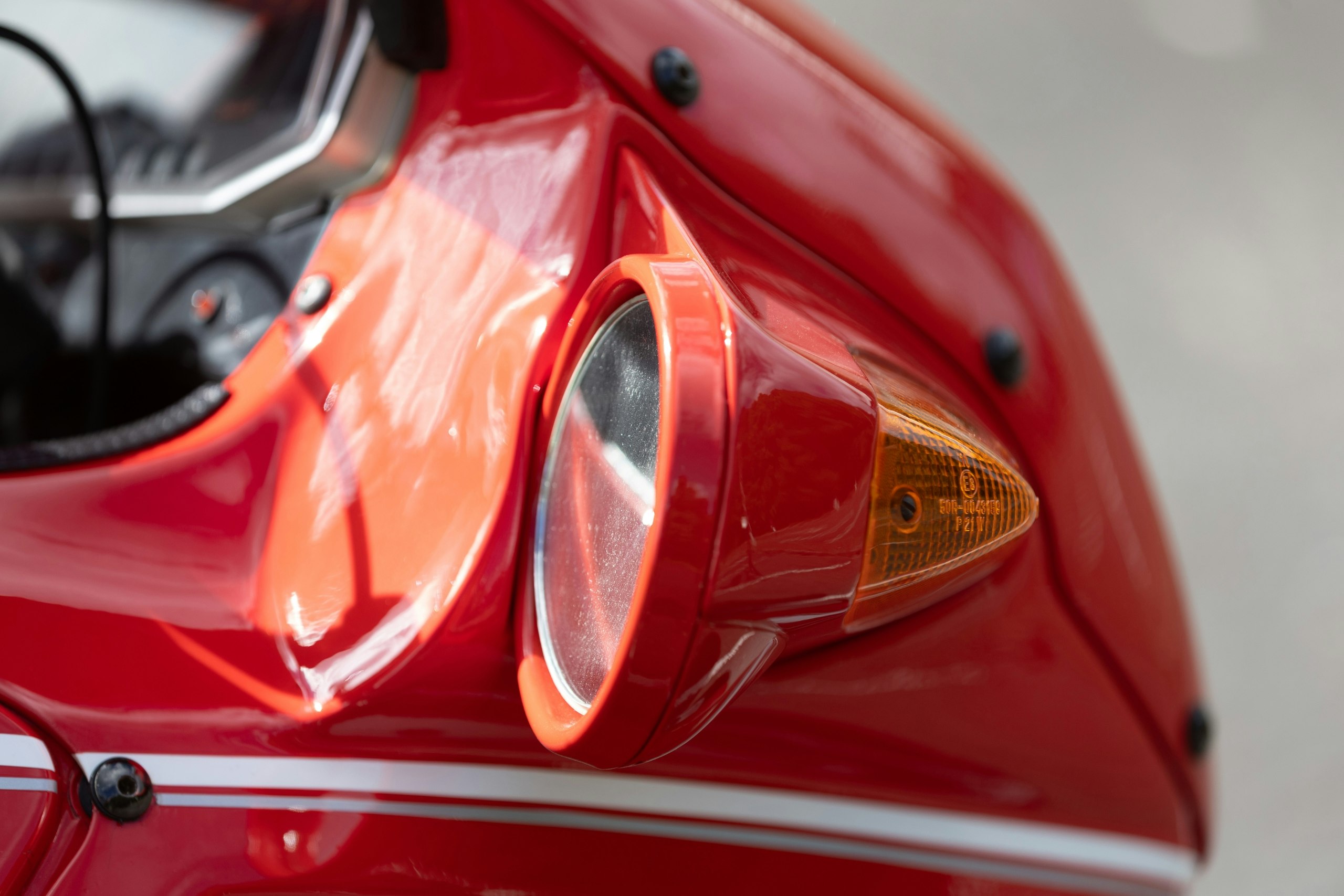
I like the under-yer-elbows mirrors, too. They take a while to get used to, but the view is decent.
The V-twin engine is a blend of the previous Pantahbased 750 and the 851 sports bike. The bottom end, liquid cooling and radiator are from the 851, but the heads are desmodromic two valve like the 750.
The 92mm bore is shared with the 851, but with a 4mm longer stroke at 68mm, giving 904cc – the number on the fairing is to indicate it’s a 900 with a six-speed gearbox, not the five-speed of the previous The twin-choke Weber carb is carried over from the 750, but fitted with larger main jets. It all adds up to a claimed output of 88bhp at 8000rpm.
Is the fuelling perfect? Erm, no. Though the carburation of the 906 was generally considered a little better than on the 750, period testers still chuntered – and this big twin’s response is a tad unpredictable in town or picking up drive on tight badly-cambered mini roundabouts. But out here on proper roads there’s linear, controllable drive and strong torque.
Period tests moaned that the 906 wasn’t any quicker than the air-cooled 750 – despite the factory’ claims, tests revealed only a few more horses, offset by the larger bike’s 10kg increase in weight – and to be honest, there isn’t the bulging thrust you’d expect from 904cc. Any initial disappointment soon fades, however. The Paso delivers the sort of lazy easy-going useable drive and effortless pace that big twins are renowned for. With the balanced, steadfast chassis, making rapid progress down cascading B-roads is deliciously simple.
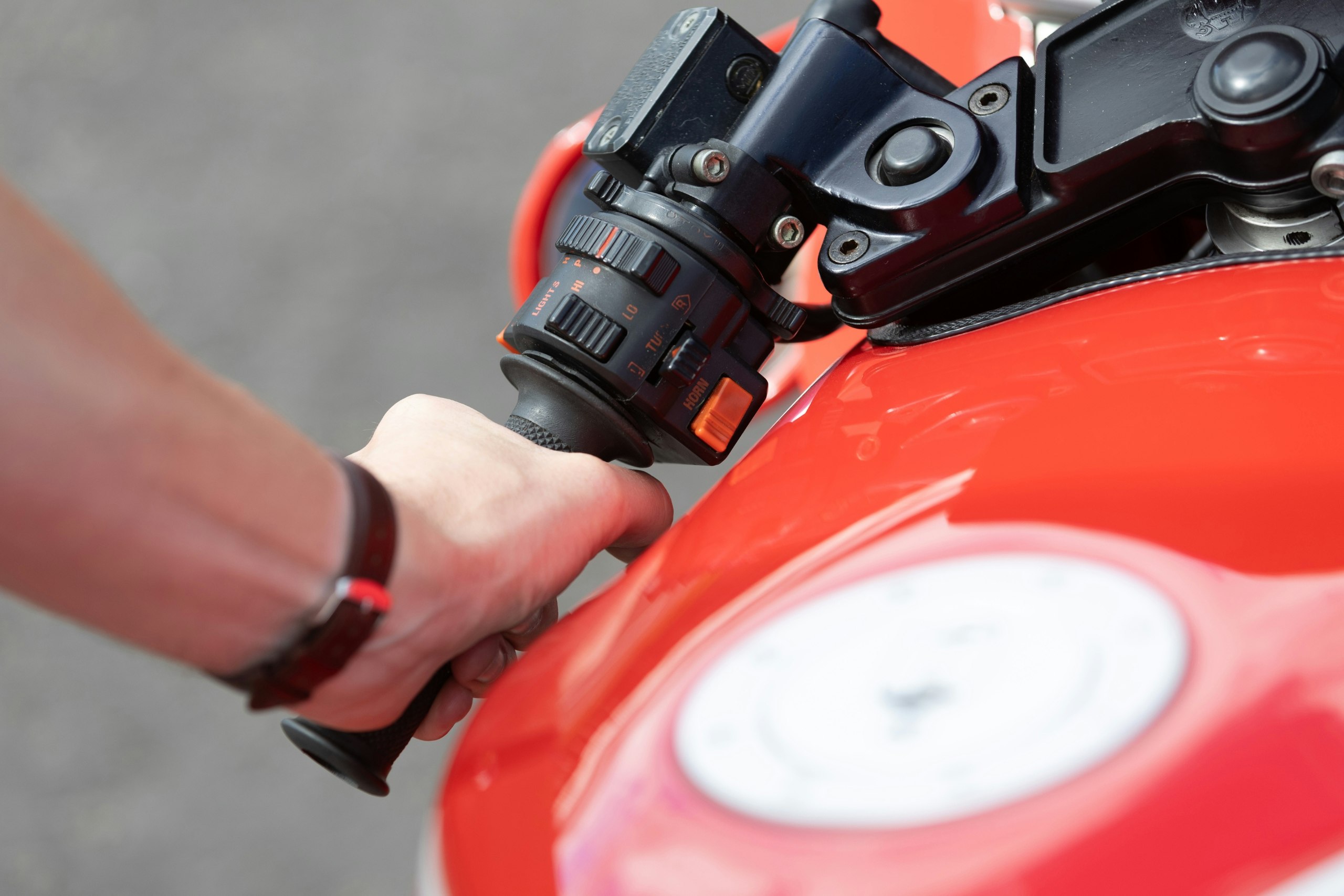
In fact, the 906 Paso is a fabulously useable classic. You can sense that this was the crossover period for Ducati, with tradition and modernity nuzzling up together; the Veglia dials, a pleasing sprinkling of Cagiva’s elephant logo, two-valve configuration and thumb-bruising ’bars shout early ’80s, while liquid cooling, radial rubber, sharp geometry and all-enclosed bodywork were ready for the following decade. The result is a machine that’s still packed with character and essential Ducatiness – and one that remains striking today. I agree with Rick that the styling has more elegance and has aged better than Honda’s CBRs, and I think the 851-style white wheels of the 906 make the bike appear lighter than the 750 (even if we know it isn’t).
Sure, the 750 that Rick rides on the preceding pages is the original – that’s the model that fired my imagination four decades ago and I’m all for its unusual blue colour scheme, too. But I’ll take the 906’s image and its extra grunt and refinement. And while the later 907 (see below) might have cleaned up the fuelling by using injection, its move to 17in wheels also meant chassis alterations that upset the fine balance that’s a highlight of the 750 and 906. Spoilt the Paso’s two-wheeled-rollerskate proportions, too.
Sporty yet practical, fusing classic charm with contemporary ability, I’d very happily ride this bike every day. I think I want one more than ever now…
Pick yourself a perfect Paso
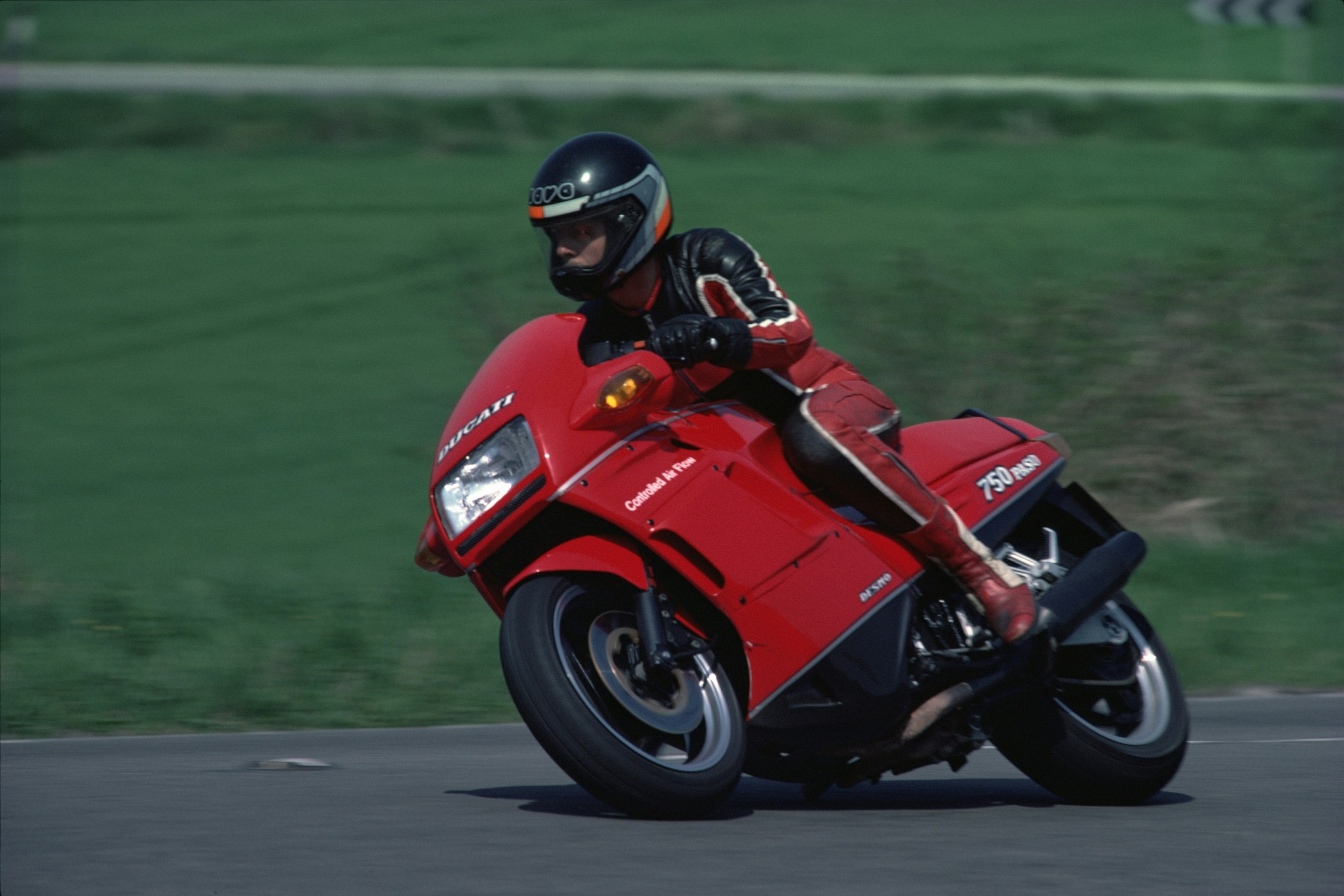
750 Paso, 1986-1988
748cc air-cooled V-twin, Weber carb, 72.5bhp, 16in wheels, 224kg (wet)
Designed for ease of manufacture and to bring Ducati up to date and in-line with the advancing Japanese brands.
What to look for: check under the bodywork for corrosion. Make sure the mirrors haven’t been knocked off and bodged back on. Some bikes have aftermarket Mikuni or Dell’Orto carbs – if so, ask who did the swap. Check rims for peeling lacquer. Service history, please.
What to pay: £2500-£4500
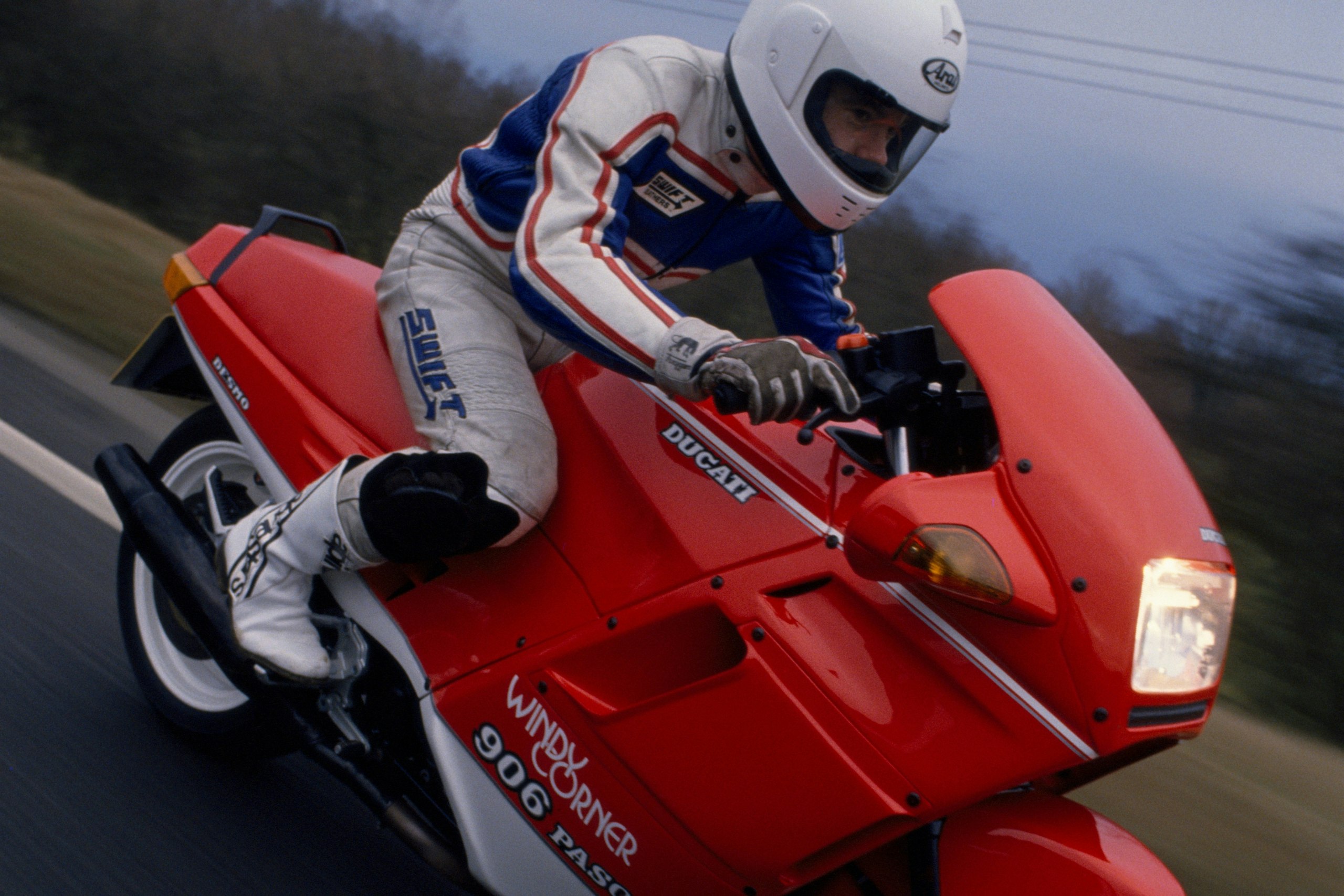
906 Paso, 1989-1990
904cc liquid-cooled V-twin, Weber carb, 88bhp, 16in wheels, 235kg (wet)
Less fork travel and extra trail to clear the larger 851-based engine. Marelli ignition and slightly improved fuelling.
What to look for: Check for coolant leaks – the expansion tank is known to crack. Also check the front of the fuel tank around the mount. The 750 had three keys (ignition, helmet lock, seat), but the 906 just had one ‘master’, plus occasionally a small extra key for the filler cap.
What to pay: £2500-£4000
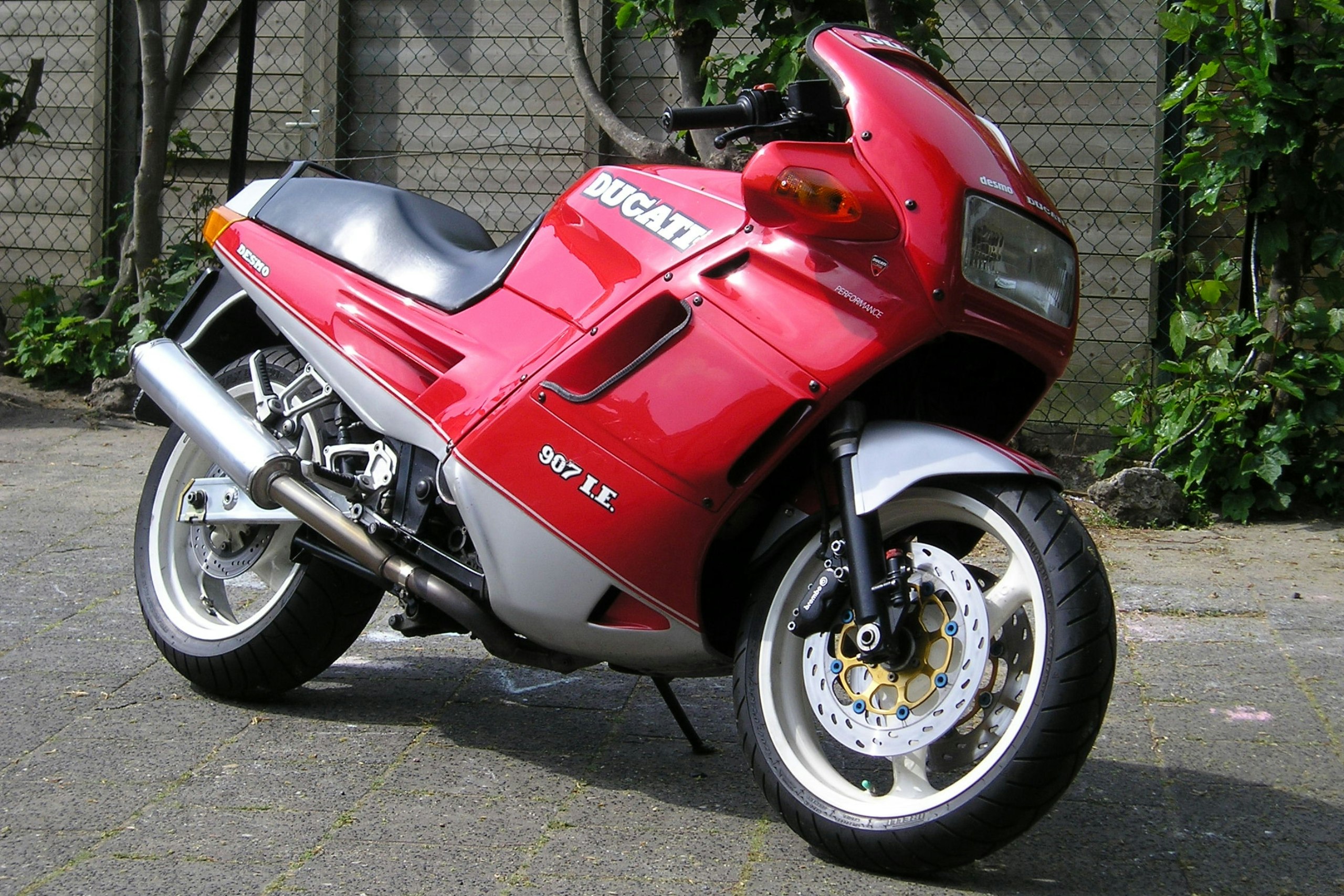
907 I.E., 1991-1992
904cc liquid-cooled V-twin, injection, 90bhp, 17in wheels, 235kg (wet)
Larger wheels require chassis mods that make the bike taller and longer. Four-pot brakes and 851-style swingarm. ‘Paso’ name dropped.
What to look for: Inspect the inside of the swingarm’s left-hand side – if the conical spacer has been installed the wrong way round it leaves deep marks in the swingarm. Look for corroded connectors in injection wiring and check for clean fuelling.
What to pay: £2750-£4250