INTERVIEW
The ace mechanic tells us all about driving across Europe with Kevin Schwantz, falling out with Keith Huewen and Paul Iddon’s impressive ears…

Words JOHN WESTLAKE Photography STUART SHIPMAN, BOULTON ARCHIVE, JOHN WESTLAKE
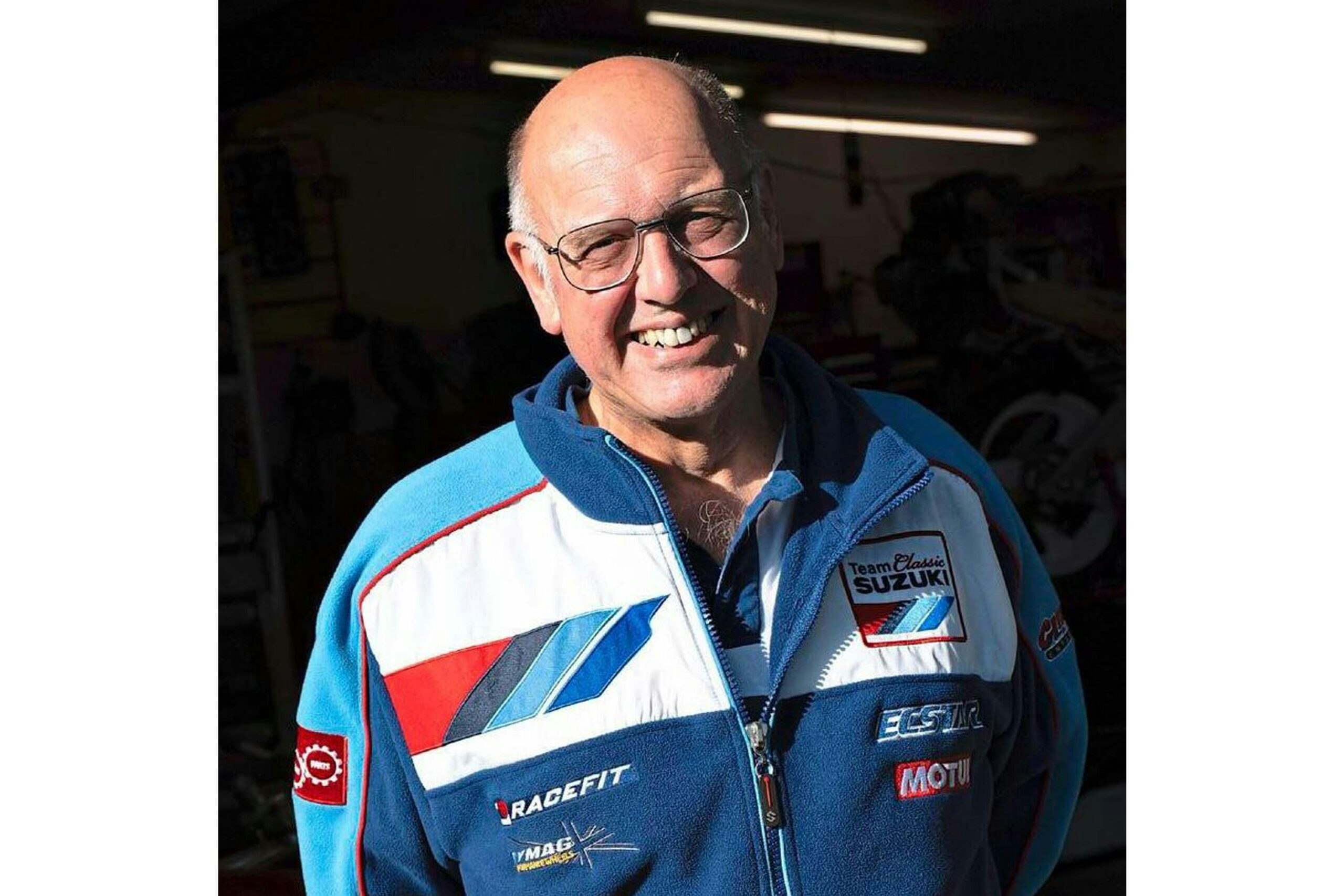
Paul Boulton was a top-flight Grand Prix mechanic who worked with stars including Kevin Schwantz, Rob McElnea, Mick Grant and Keith Huewen. But, listening to his tales from earlier days, I’m wondering if his most astonishing achievement was the speed with which he went from servicing GPz550s in a Kawasaki dealership to working on factory Grand Prix RG500s.
“Yeah, it was about three weeks,” he says while waiting for his steak and ale pie at his local in Lincolnshire. Key to this extraordinary trajectory was Paul Smart, the legendary racer who owned the shop where Paul had worked his way up from tea boy to mechanic. “Smarty found out there was a job going at Suzuki GB and asked if I’d be interested. Obviously I was, so on Smarty’s instruction I found Rex White [Suzuki’s team boss] at the Brands Transatlantic and had a chat.
“It turned out a mechanic for Keith Huewen [then riding for Suzuki GB] had just left and they were looking for a replacement. I went for a formal interview a week later and was very nervous. Luckily, as I walked across Suzuki’s car park, I noticed Rex’s car had a CB radio in it. I was really into all that, so as soon as possible I asked him about his radio – we got chatting and he said: ‘You seem like a decent bloke, you’ve got the job’. And that was it – I was a factory mechanic. I’m not sure it could happen like that these days.”
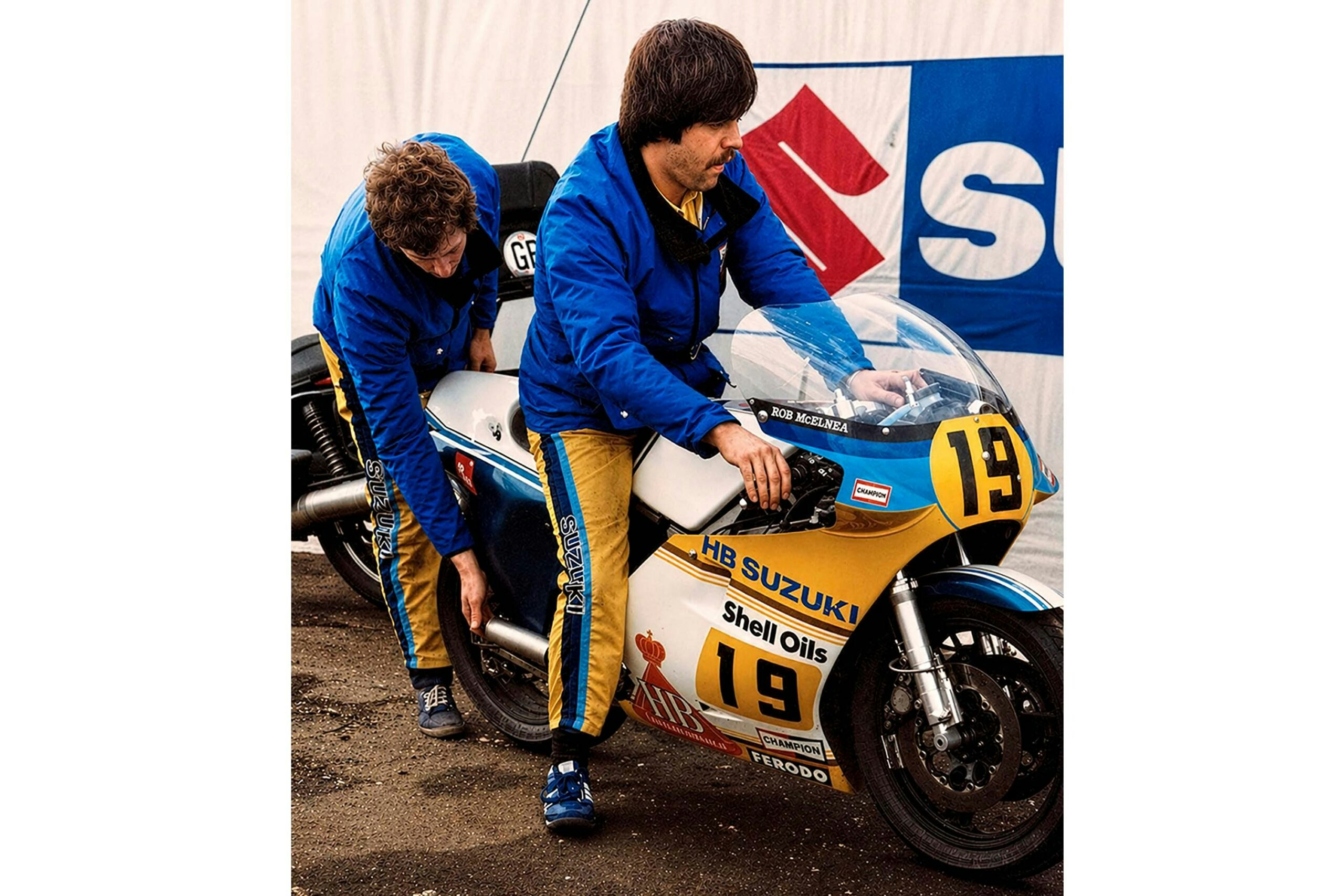
Understandably, the race team didn’t trust Paul with much to start with, despite a glowing reference from Paul Smart. “I was just taking the fairing off, checking tyre pressures and changing wheels. But at the first meeting I did at Donington, I was walking through the paddock fetching some wheels when Iris Sheene [Barry’s mum] said: ‘Oi, what are you doing here?’ I knew Iris and Franco from when they used to come to Smarty’s shop and she was a lovely lady. She dragged me off for a cuppa and a chat in Barry’s caravan, so I was late getting back with the wheels.
“The team were all asking where the hell I’d been, so I explained I’d been having a chat with the Sheenes. This was 1982 and Barry was still a big star, so maybe that raised their opinion of me, because when I went into work on Monday they told me to pack my bag because I was off to Salzburgring for a fortnight of testing and then the Austrian GP.”
That season, Huewen was riding the factory XR35 RG500s that Randy Mamola and Graeme Crosby used the year before, which Paul was expected to fettle. Except he knew nothing about them. “For testing at the Salzburgring, we were spannering the bikes in the hotel car park, alongside Kork Ballington and the Kawasaki guys. Our team mechanic was Mick Smith, who told me to put certain jets and gears in. I said: ‘OK, but where’s the workshop manual?’ Of course, there wasn’t one for a full factory bike – you just take it apart and get on with it.
“In a way, it was haphazard, but that’s how it worked – the only information we had was the jetting and gearing records from the previous year. There were no set torque values or explanations of how it came to pieces. You were supposed to know. And if you didn’t know, you found out pretty quickly.
“It was so exciting, though. Being taken away to a foreign country with a star rider to work on factory bikes... it doesn’t get much better.”
Unfortunately, Huewen crashed into a fallen bike on the first day of practice and broke his wrist, sidelining him for two months. But for Paul, this wasn’t all bad. “We had to take the bike back to HQ, straighten the bent bits, change what needed changing – the cranks, pistons and rings were on their mileage limits anyway – and generally check it over. It was bad for Keith, but really useful for me, because that’s when I really learned how it went together. Those RG500s were easy to work on, though – a mechanic’s dream.”
Huewen’s injury put paid to any chances of top 10 results that season. “But I did get to witness some pivotal moments,” he says. As a normal race fan, I’m expecting rider-based incidents – last lap battles, amazing comebacks, paddock brawls, etc. But Paul is a dyed-in-the-wool mechanic, and I’m beginning to learn that his superstars are engines rather than people.
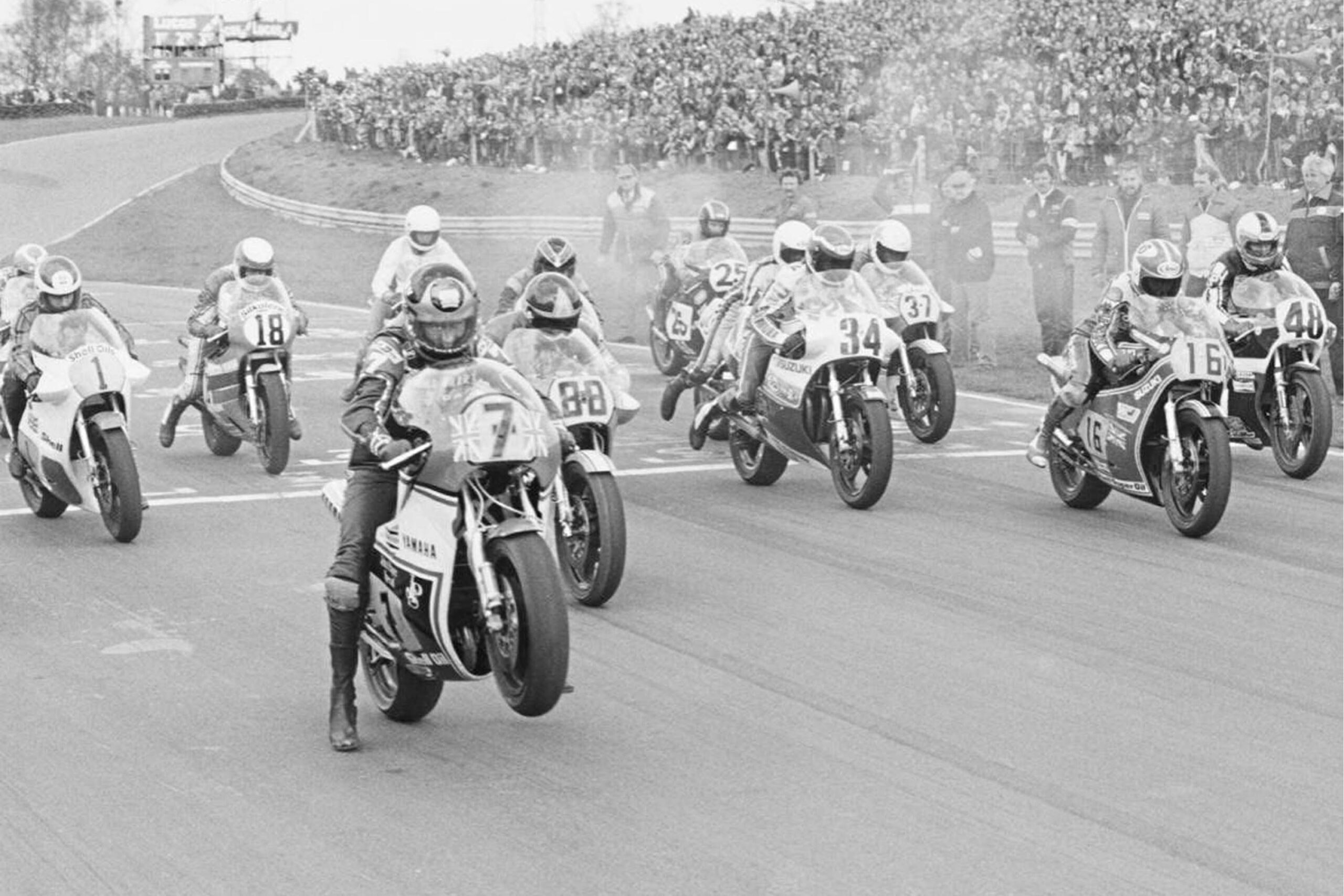
Here’s his pivotal moment of 1982: “I was there when the three-cylinder Honda [NS500] was first wheeled out,” he says, his face a picture of schoolboy enthusiasm. “It was a big deal, but my impression at the time was that Suzuki and Yamaha weren’t too worried about the triple – they were confident they’d got their four-cylinder bikes sorted. Obviously, we did wonder if there were any engineering secrets in there, but ultimately there weren’t – it was just a three-cylinder two-stroke. The real magic was the guy turning the throttle [a certain Freddie Spencer].
“Interestingly, lots of privateers bought RS500s to race, but it wasn’t quite the bike they thought it was. It didn’t have the factory bike’s performance and cost a fortune to run. You could buy an RG with a spares package for £25k or so and race in GPs, but the Honda was £40k. And whereas if you didn’t throw the RG up the road too much you could get away with just replacing pistons and rings, the Honda needed the crankshaft renewing throughout the season."
For 1983, Paul was working with Huewen again – this time using two brand new Mk8 RGs – but the relationship broke down before the season was out, partly because of Paul’s devotion to engines. “I got on well with Keith, and he was a good rider. The problems came when I knew, technically, that I had a good solution – but Keith wanted something else that I knew was worse.”
Matters came to a head at Hockenheim, where it was scorching hot. “The bike was running hot anyway, but Keith wanted the jetting leaner because he liked the crisp feel and we kept burning pistons. We even got the occasional seizure and there was lots of detonation.
“I went back to the previous year’s records of the XR35 and decided to put those settings in, which were quite a lot richer. Keith went out and was the quickest he’d been. Up until then, he’d been gradually getting slower and slower. He asked if I’d put the smaller jets in as requested, so I told him that in fact I’d gone the other way and he was really, really cross. He said the smaller jets made it feel sharper and it was my job to do what he asked – which it was. I did mention to him that his times were quicker on my settings, but that wasn’t really the point – I made the change to try and protect the engine, because I was running out of pistons.
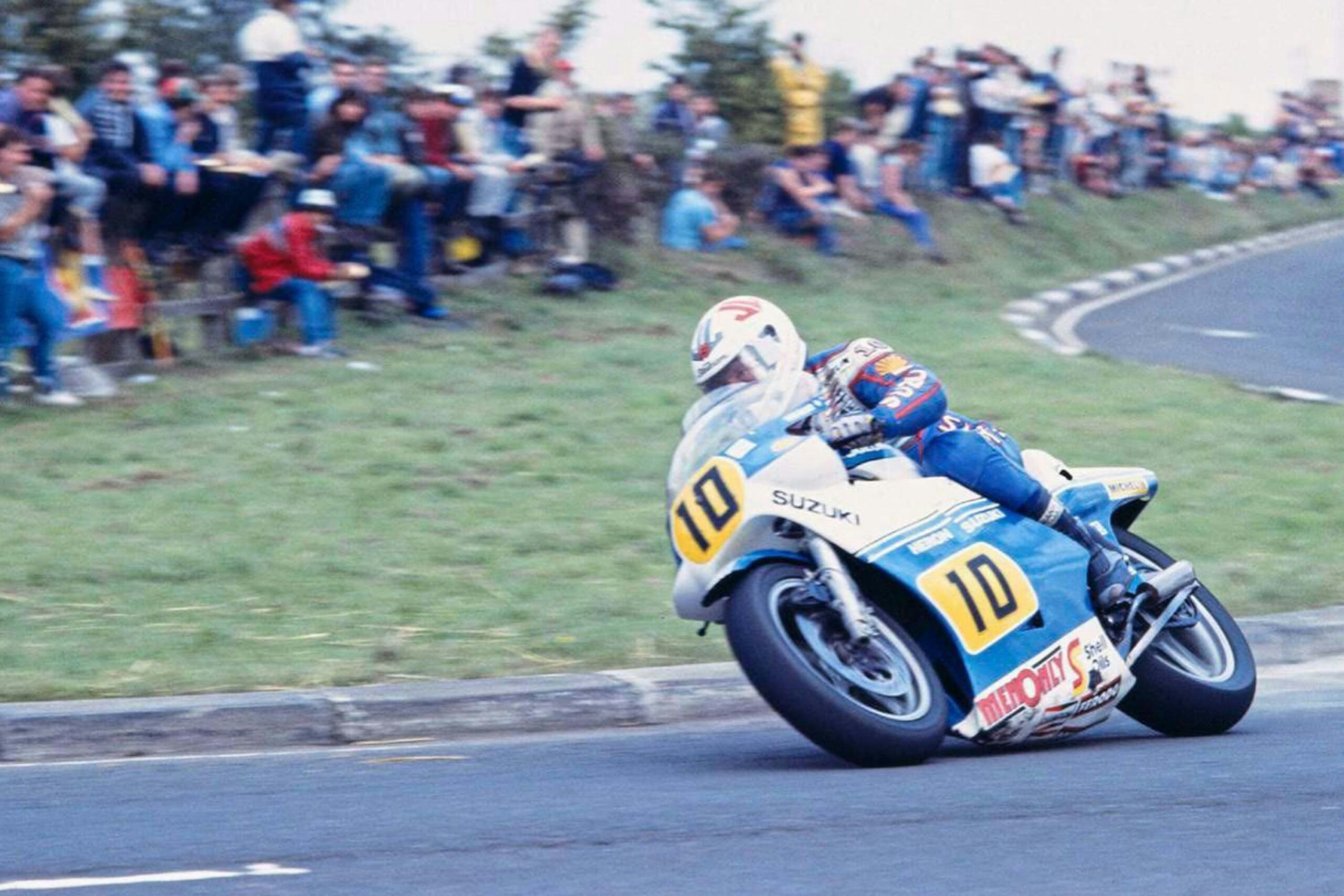
“We fell out because I hadn’t done what he asked. I’m not proud of that, because I should have done what he wanted – even though it would have almost certainly meant more burnt pistons.” Paul clearly still regrets the episode, but I can’t help feeling most of the responsibility lay with Huewen for not listening to reason. Also, Paul had only been a Grand Prix mechanic for 18 months and had yet to learn the intricacies of managing highly-stressed riders – surely Keith was out of order?
“Not really, no,” says Paul wistfully. “There’s a lot of psychology involved in bike racing, and if a rider believes he’ll go faster with square wheels, then you put them on and let him work it out. They have to trust you.”
‘I asked: “Where’s the workshop manual?” Of course, there wasn’t one for a factory bike’
With the relationship soured, Suzuki called on Paul’s previous experience of four-stroke road bikes and sent him to work for Rob McElnea on his XR69, then in 1985 for Mick Grant on his new GSX-R750 F1 and Superstock bikes. So what was Mick Grant like to work with, I ask, silently wondering how long Paul can resist talking about the new GSX-R motor.
“Granty was a top bloke. But what was really interesting was that the new GSX-R engine was oil-cooled. The advantage of oil is that it’s good at getting where you want it – around bearings and under piston crowns, for example – but it’s more difficult to take the heat out of the oil once it’s hot. So the GSX-R would be alright for the first half of a race and then it’d start to overheat and things would go out of shape.
“That’s why if you look at the oil-cooled TT F1 bikes of the time they had oil coolers all over the place. And of course, everything you did to make more power generated more heat. We eventually got 98bhp out of the Superstock bike – we measured it as 83bhp stock – and that was with standard cams, valves, pistons, rods, crank and gearbox, but with a gas-flowed head and an F1 exhaust. We won the first four rounds [of the British championship] outright before other people worked out how to make their bikes as quick.”
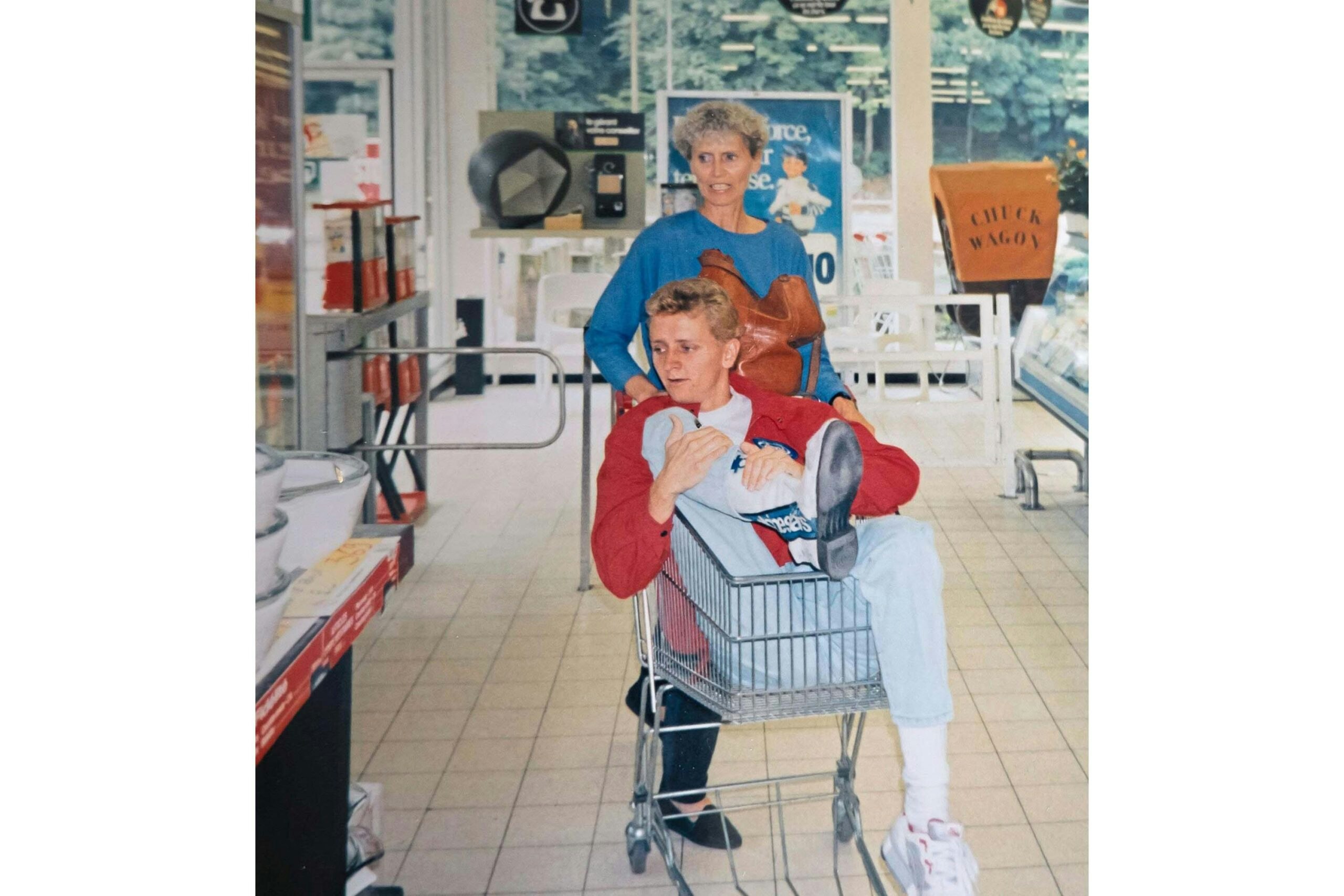
Though happy working on four-strokes, Paul was desperate to get back into the GP paddock where he could work on his beloved 500cc two-strokes. Consequently, after finishing work on Granty’s GSX-R, he’d wander across the corridor at Suzuki GB’s workshops to help out with the factory GP bikes.
“They were developing the new honeycomb carbon-fibre frame and those evenings spent in the GP workshops were when I began to realise that I enjoyed designing and developing more than the actual racing. As a mechanic, once the bike goes to the start line there’s 45 minutes of not doing anything except holding a signal board out. But developing and testing was much more interesting, because you could experiment.”
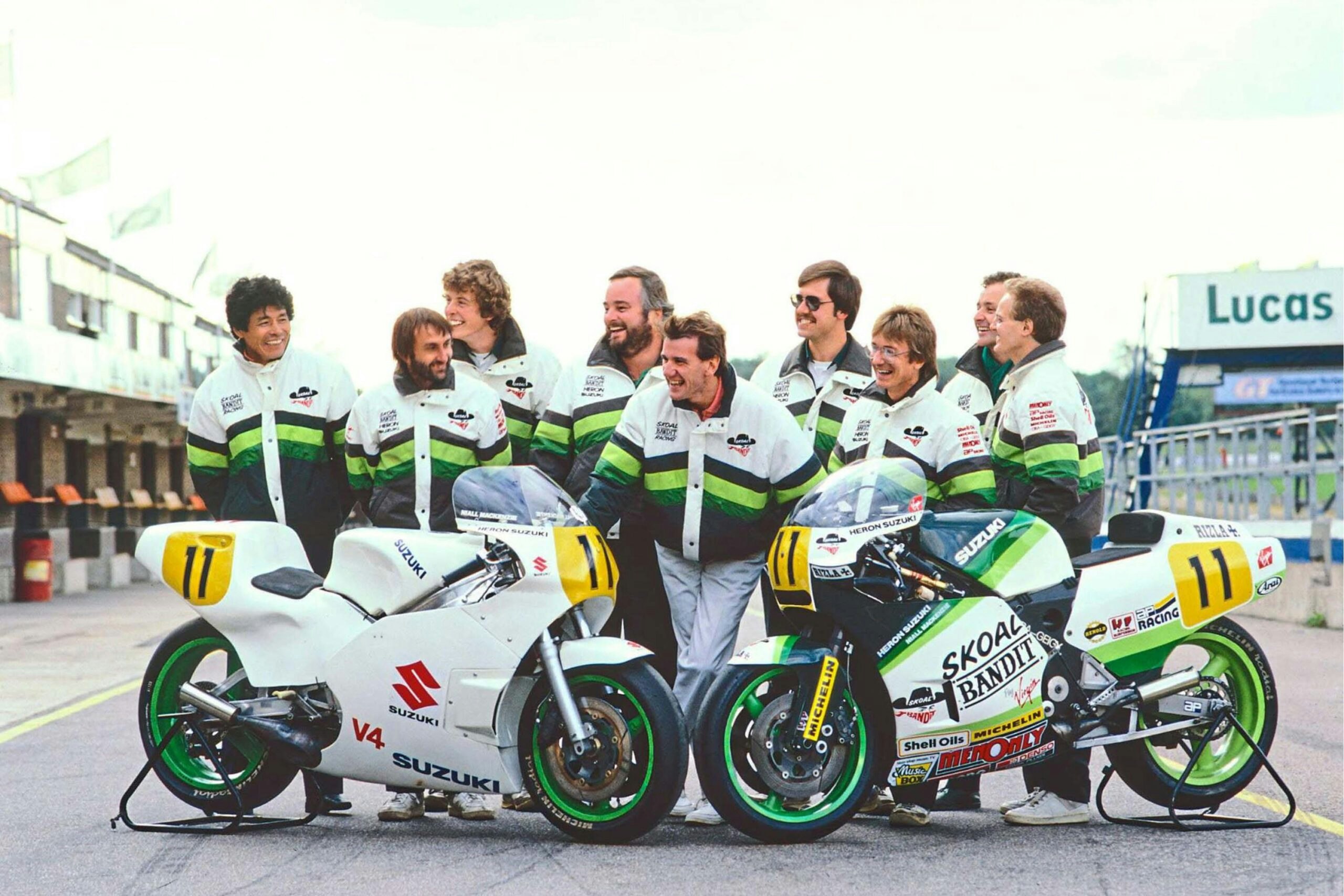
Paul’s extracurricular enthusiasm paid off, and in 1986 he was back on Suzuki’s GP team working with Aussie star Paul ‘Loopy’ Lewis and the Skoal Bandit 500s. And he kept experimenting. “At the Salzburgring, I started recording Paul’s speeds around the circuit with a radar gun. This was all new back then – it meant we could measure improvements after changing set-up.
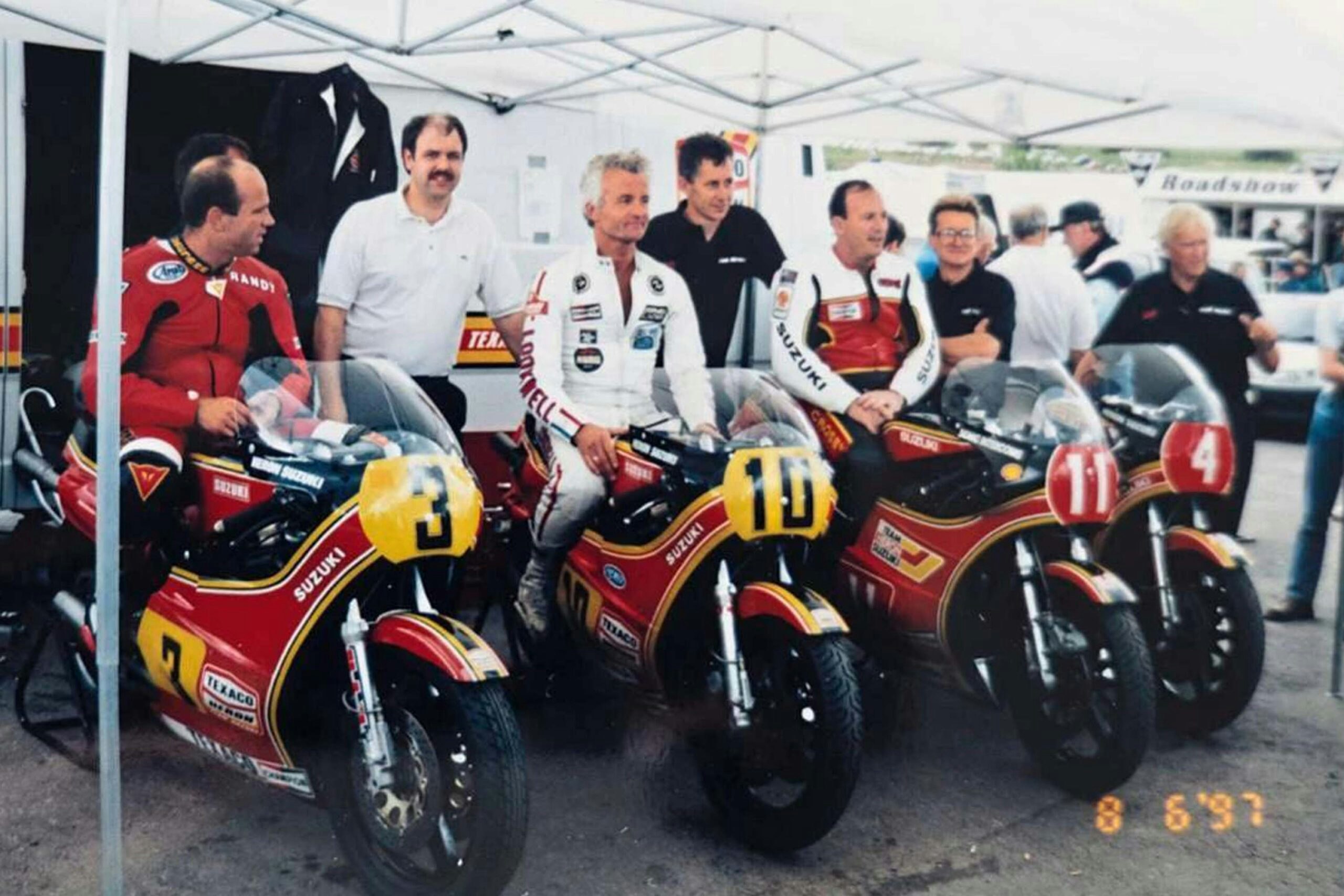
“It was very useful, because you’d get loads of feedback from the riders, but little other information. Obviously my speed data wasn’t as clear as modern datalogging, because you never knew if the rider had gone in 4mph slower in order to get that 3mph improvement in exit speed, but it was data. When the other riders saw what I was up to, they all asked me to measure their speeds too – and I did. I ended up noting them down for half the paddock and telling them afterwards. Different times!”
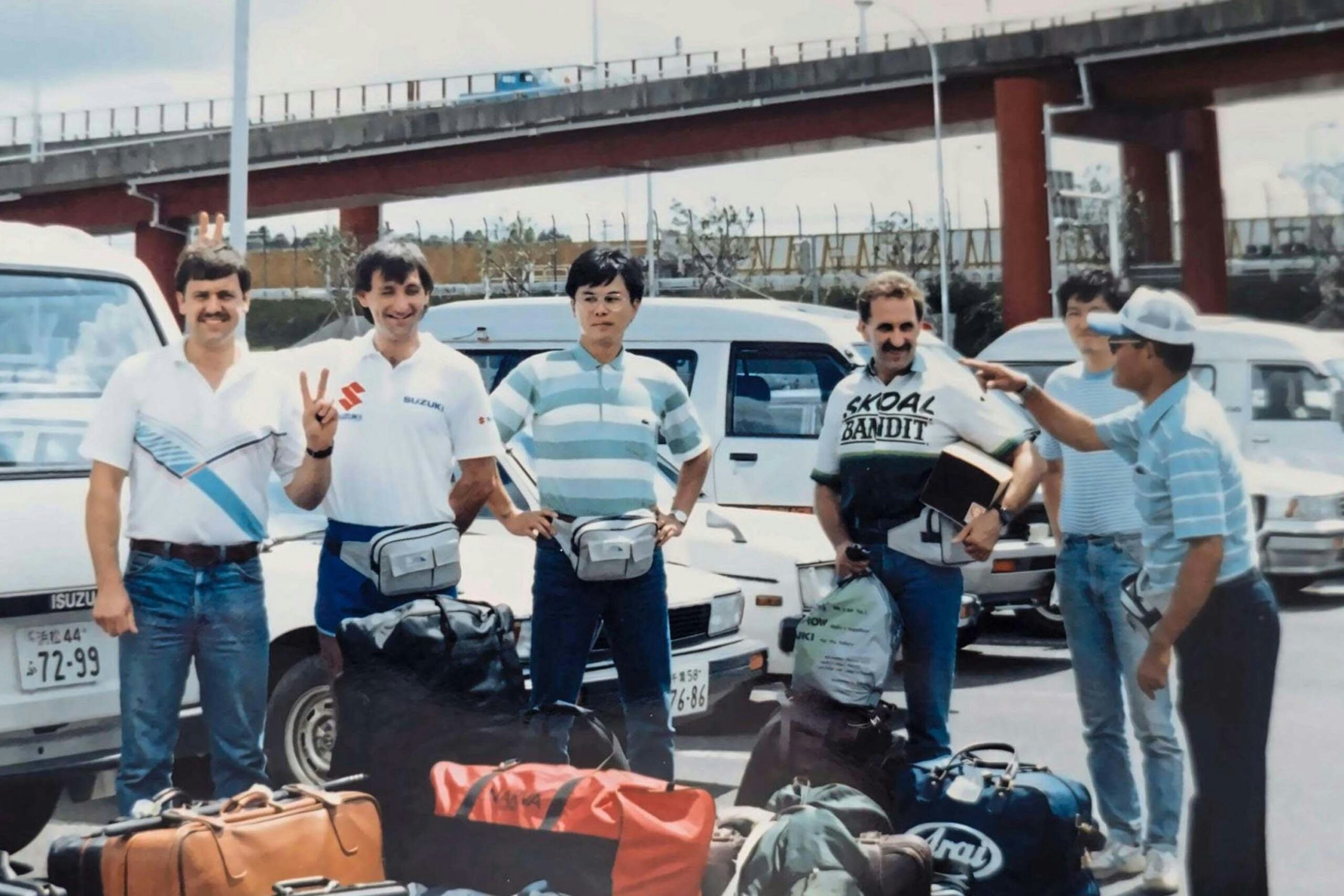
Later in the year, he got the opportunity to look after someone with even more potential than Loopy Lewis – Kevin Schwantz, who had been given three wild-card rides on an extra Heron Suzuki. “He fell off at Assen and rode with me in the truck to the next round at Spa, while his mum and dad drove their camper. That’s when we struck up our friendship. At Spa, he actually fell off on the warm-up lap, so I helped to repair his bike on the grid. That was stressful. But he rode well, came 10th and got his first point in GPs. Only then did he tell us he was riding with a broken collarbone [from his crash qualifying for the Daytona 200].”
Looking through Paul’s scrapbook photos later, it’s clear that he and Schwantz spent loads of time together and became good mates, but extracting tales about the Texan superstar is charmingly difficult. I don’t get the feeling Paul is trying to maintain confidences, it’s just that he’s so much more interested in GP motorcycles than what his young rider got up to.
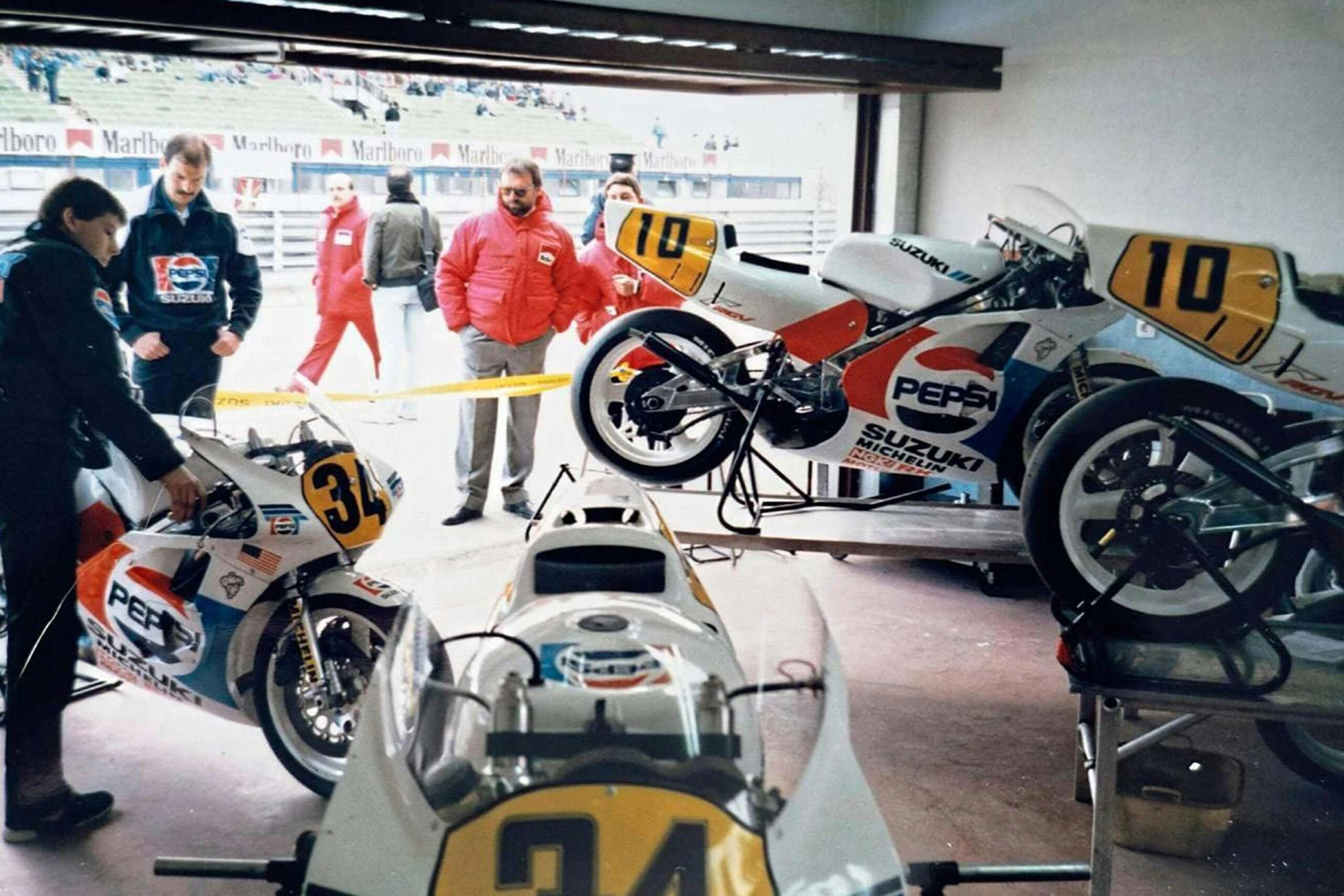
“His final round that year was at Misano,” he continues, “where he came 10th again, but the highlight for me was seeing the new Suzuki V4, which Gallina [the famous Italian GP team which had won the 500cc World Championship with Marco Luccinelli in 1981] had been testing. That was so exciting. I couldn’t wait to work on the V4.”
Unfortunately, he had to – because at the end of the year, Suzuki sent him to look after Paul Iddon’s TT F1 GSX-R. “Paul was a great rider, who had an amazing feel for an engine – unlike a lot of top racers. I remember once we went to Mallory Park and he said there was an odd noise from the engine like faint detonation. I pulled the plugs and everything looked alright, but it kept happening. So I dropped the sump to check there was no swarf in there and a 6mm bolt fell out – it was one that held the two halves of the crankcases together and couldn’t come all the way out because the sump was in the way. So Paul could hear it rattling, despite the racket of a race exhaust while thrashing round Mallory Park. Amazing. We got on really well and he was such a good rider – he should have won the world championship that year [he came third, behind Joey Dunlop and Virginio Ferrari].
“But I was back working on the V4 with Kev [Schwantz] and Rob [McElnea] in 1988, which was great. I was in Japan for nearly three months at the beginning of the season, building bikes, and we struggled to get the carburation working properly to start with. Partly that was because we were learning a new engine and partly because one of the crankshafts was spinning the wrong way [at first, Suzuki had both cranks spinning in the same direction, which caused one bank of pistons to draw in mixture earlier than the other, mucking up the carburation]. As soon as they had the cranks spinning in opposing directions for the 1989 season, the bike worked so much better.
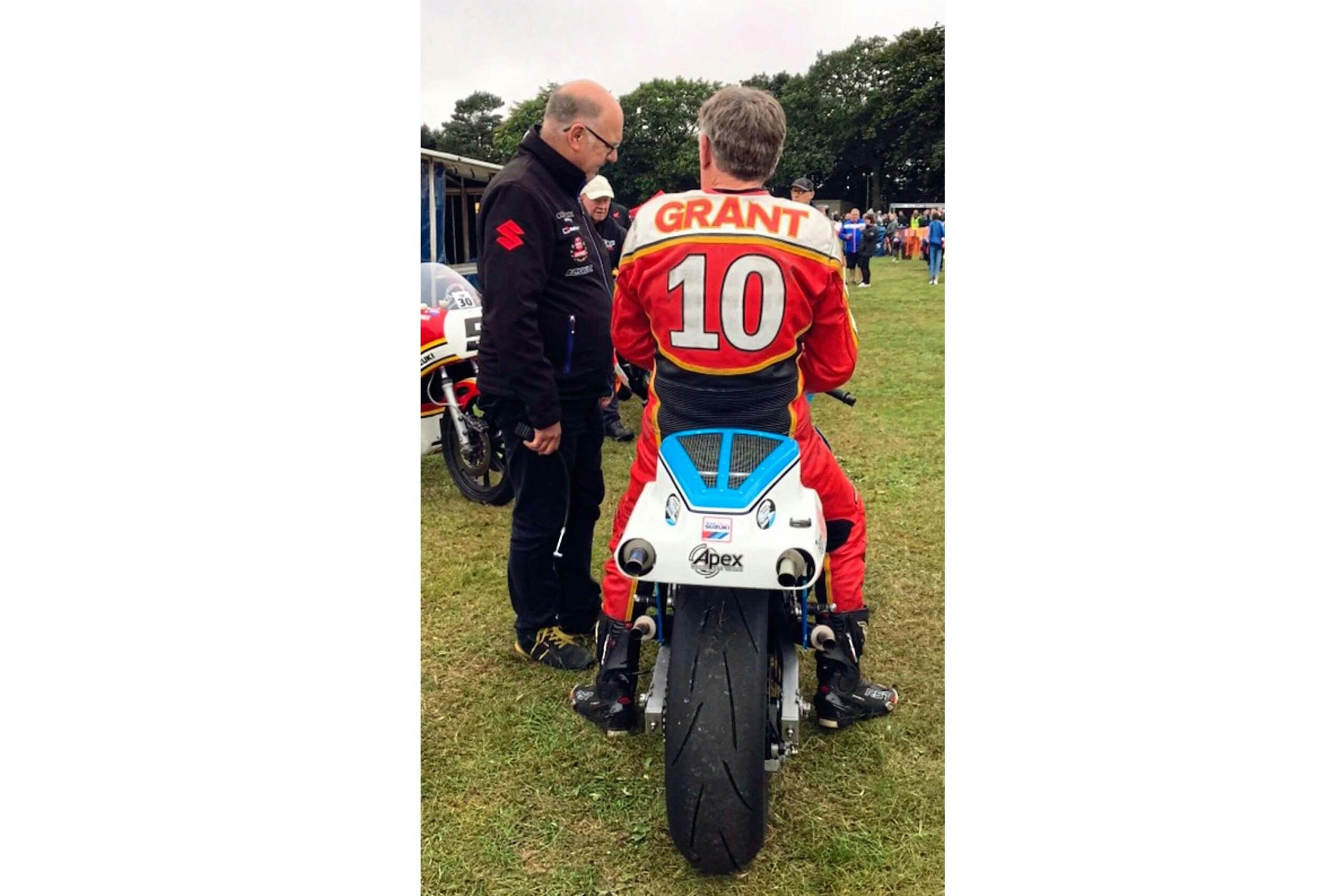
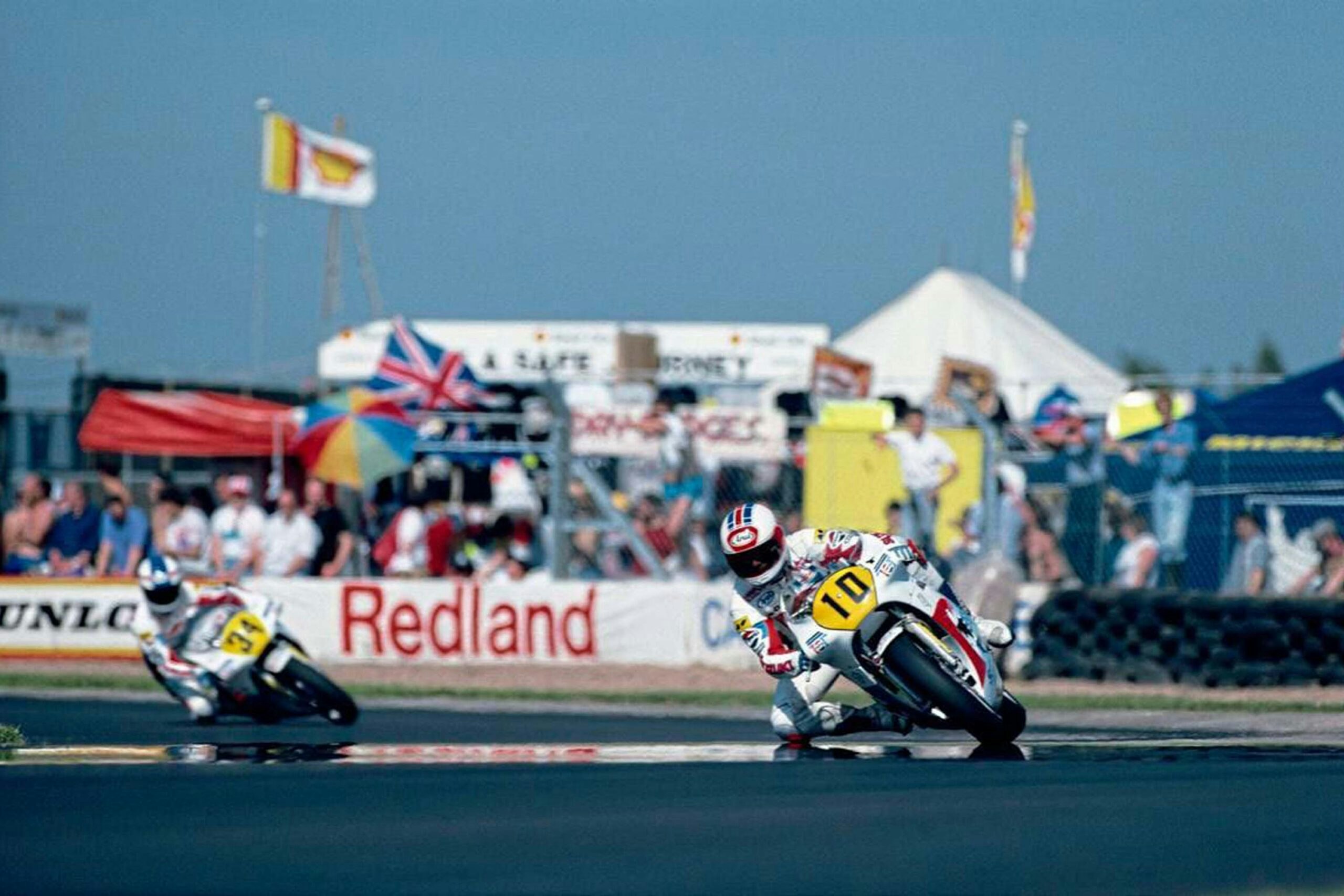
“But despite that, we won the first GP of 1988 in Suzuka, and I remember watching Kev celebrating by standing on the footpegs holding the American flag. We were a new team, with a new sponsor [Pepsi] and we won first time out at Honda’s circuit. That was pretty special. And there was constant development – nearly every week there was something new going on the bike. The best I saw on the dyno for the square four was 137bhp, but the V4 made about 145bhp.”
las, the vagaries of team budgets and staff politics meant that was Paul’s last year in GPs. I glance round the pub and notice the other diners have left and we’re alone apart from a well-oiled chap who looks like he’s been propping up the bar since 1962. Aware our time is up, I ask Paul to summarise what happened next. “I got a series of proper jobs not linked to bikes,” he says.
“Then in 2005 I started looking after Steve Wheatman’s collection [of mostly two-stroke Grand Prix race bikes]. It was lovely, because some of the bikes I was looking after were the ones I’d worked on 35 years ago, so I’d see a bracket and I’d remember making it all those years ago. Or I’d see a dent in a frame and know exactly how it got there. That’s a great feeling. It feels like I’ve finally come home.”