INTERVIEW
How did a working class London lad become mates with Bud Ekins and Steve McQueen, help start motocross in the USA and restore hundreds of bikes for the Barber Museum? Time for a lunch…
Words JOHN WESTLAKE Photography BRIAN SLARK ARCHIVE
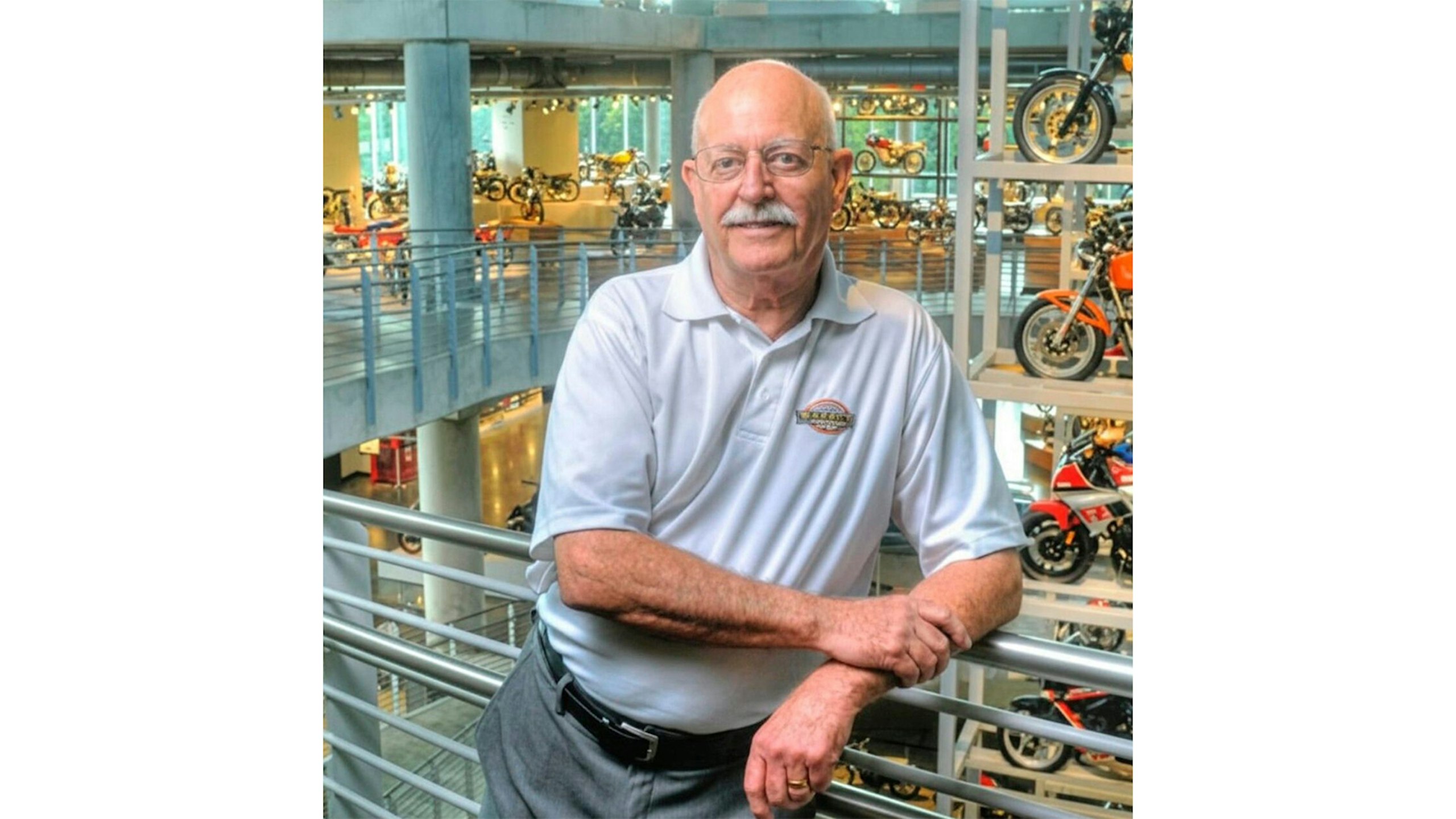
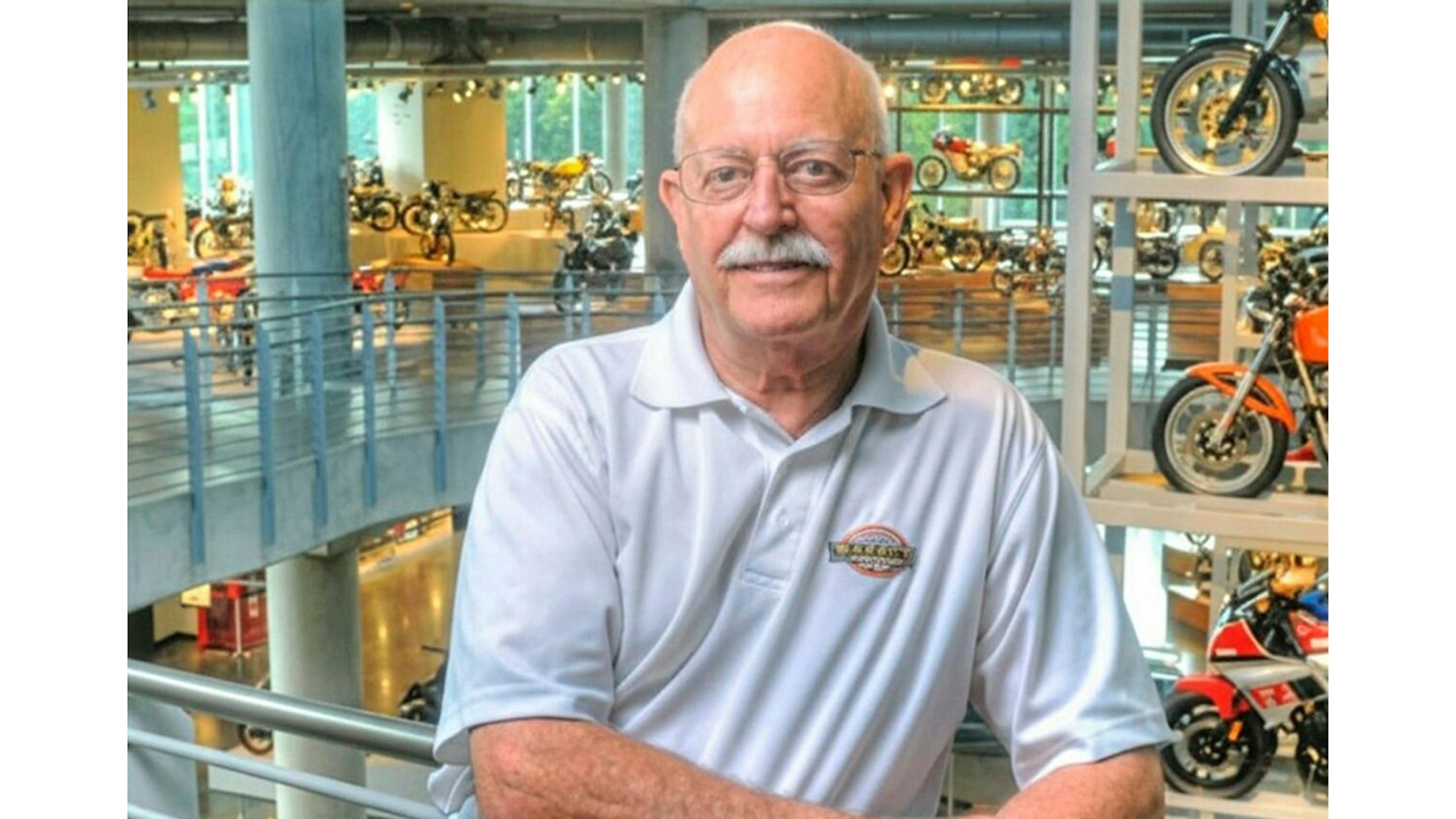
Brian Slark has travelled through life like a bike-crazed Forrest Gump, doing extraordinary things, triggering ground-breaking movements and befriending astonishing people. During the course of our chat, he mentions a couple of mates (who turn out to be Bud Ekins and Steve McQueen), that he built the Commando which kicked off Norton’s American sales boom, and lets slip that he helped introduce motocross to the USA. The fact he was the restoration genius behind the Barber Motorcycle Museum (see our George Barber obituary in this issue) barely gets a look in.
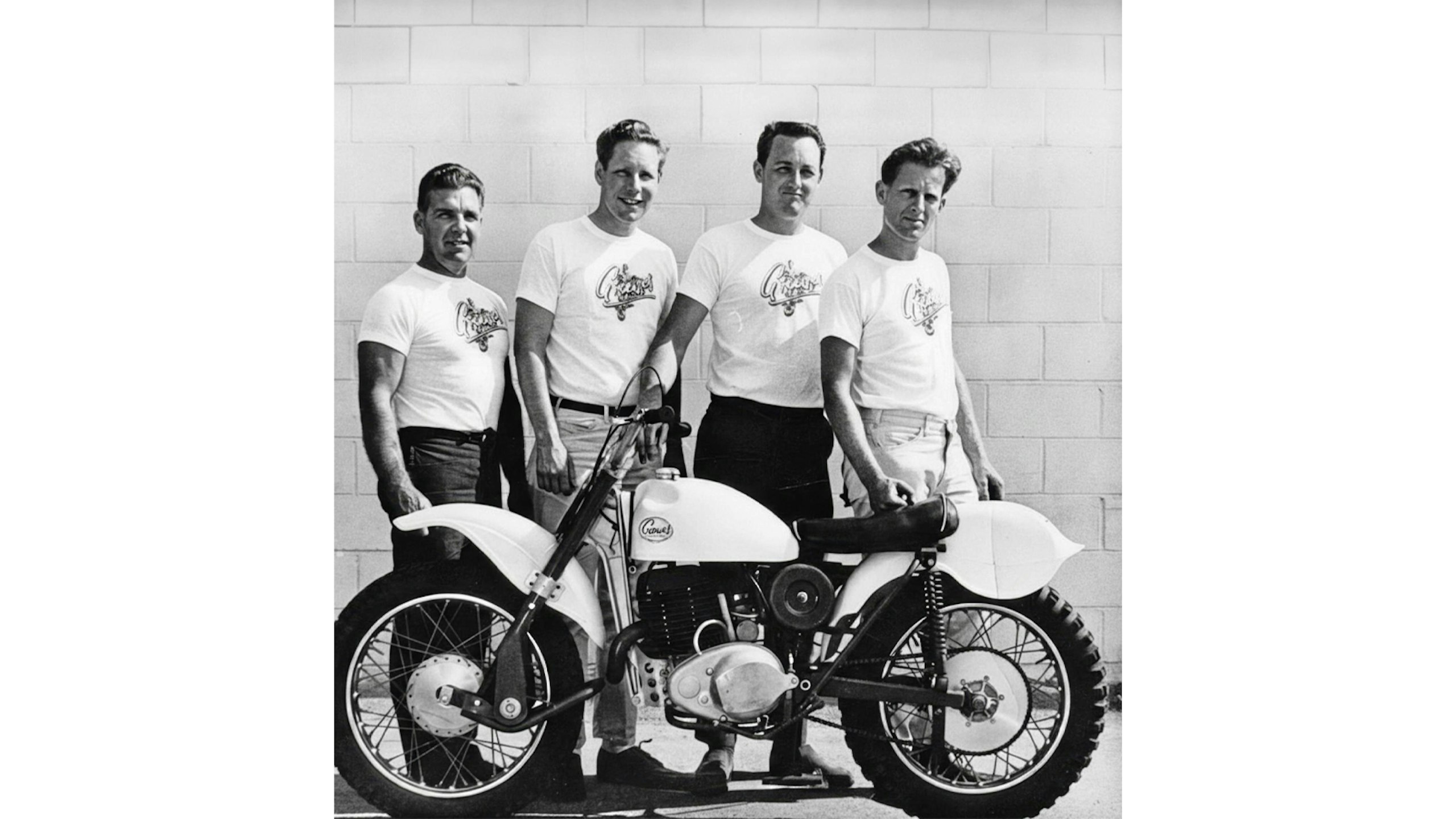
Of course Brian, 86, doesn’t say any of this directly, partly because he’s a Brit from the era when modesty was beaten into you with a stick, and partly because he genuinely doesn’t recognise what an extraordinary life he’s led. He just chats away and only fills in the mind-blowing details when I press him. An example: “So who were these mates you travelled round the States with for three years?” I ask, interrupting his flow. “Oh, Jeff Smith and Dick Mann,” Brian says. As in, two-time world motocross world champion Jeff Smith and two-time AMA Grand National champion Dick Mann. It’s the same with all his anecdotes – dig deep enough and there’s a trove of pure gold.
This journey through British and American motorcycle life began soon after the end of World War II in South-East London. More precisely, it started while walking home from school. “I was accompanying a very attractive girl who I had my eye on,” says Brian. “Outside her house, I saw a brand new Matchless leaning against a wall. It was pinging and clicking and smelt of cutting oil. It was her dad’s, and she told me he got a new bike every night because he worked at the factory down the road [in Plumstead]. That was when I knew what job I wanted.”
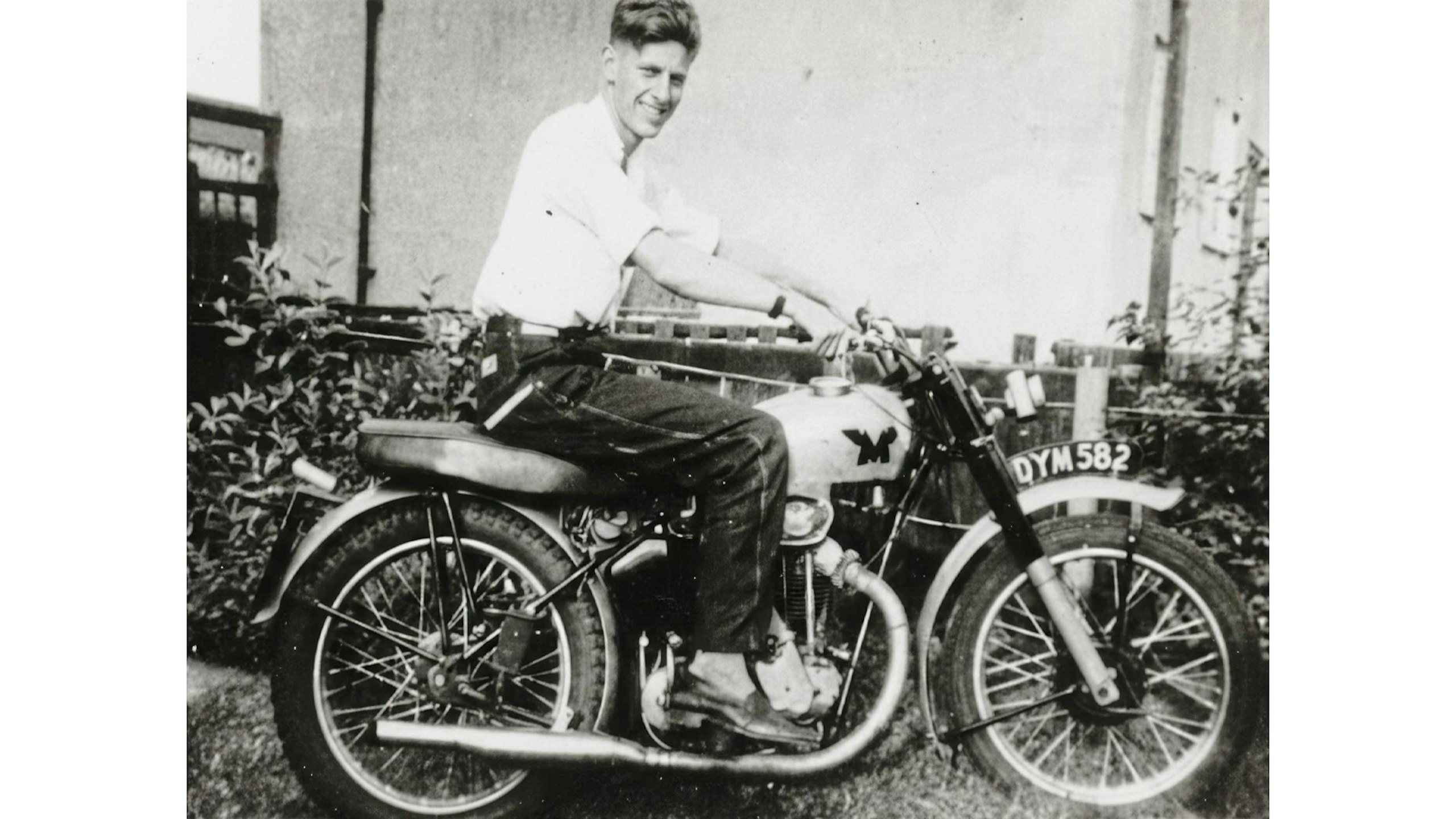
From then on, Brian lived for bikes. “Me and my mates used to get a tram for a penny to Woolwich and then walk down to the [AMC] factory and watch as these beautiful bikes would pop out of an elevator onto the street. That’s how my love affair with bikes started.” Brian saved up and bought a 1937 Matchless 250. “I used to terrorise BSA 250s, only shifting gear when the valves were floating. I was such a yobbo. Then I got into trials, joined a local club and got a James with 4bhp, then a 1953 Matchless 350.
“But by then everyone was riding Greeves in trials, so I went to John Surtees’ shop and bought a Greeves Scottish 197 for £100. I did loads of trials on that, and at one we had to do a lap of Canada Heights as a special test.” Brian’s yobbo tendencies shone through and he got the fastest time of the day.
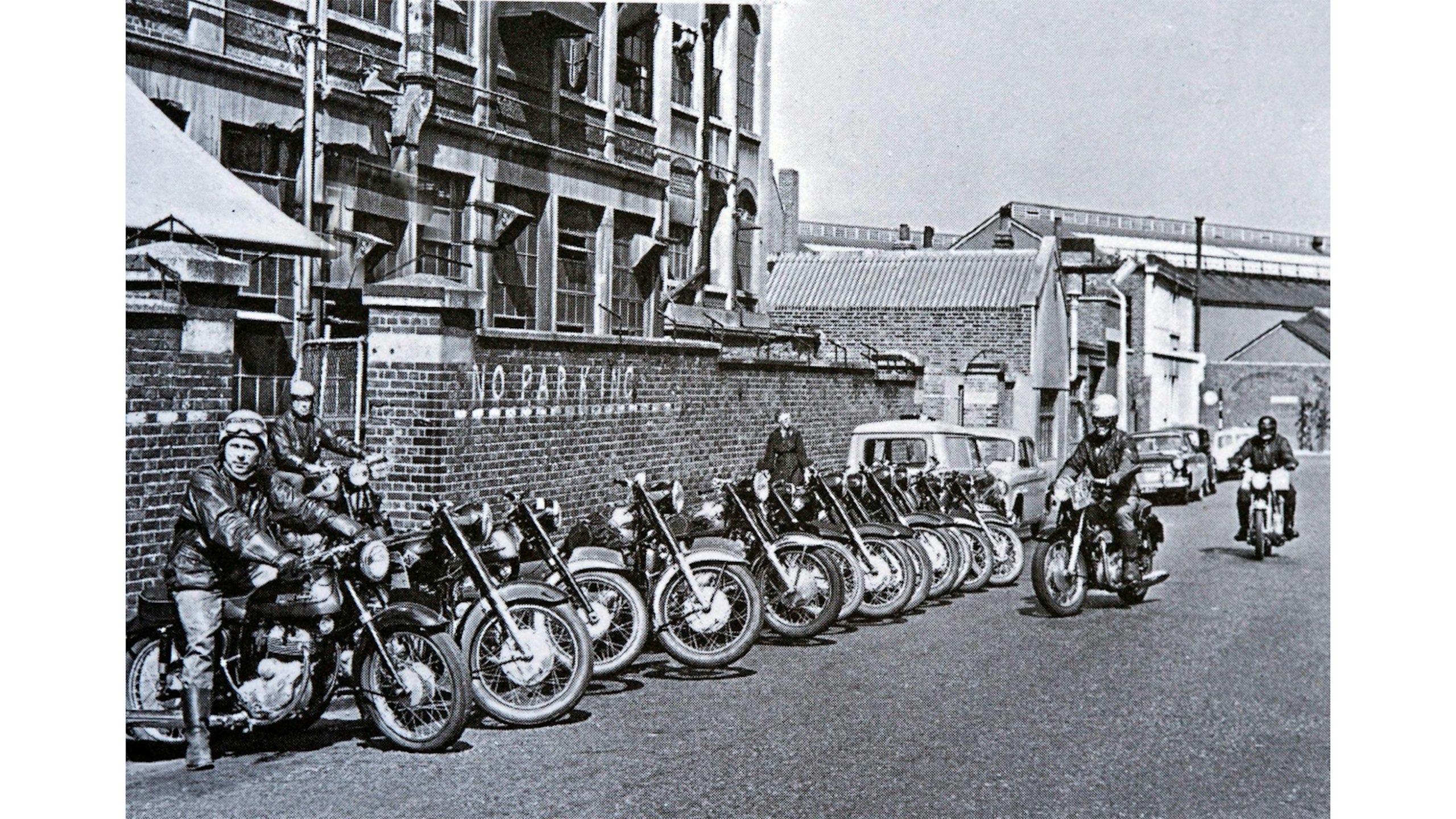
“After that, my friends coerced me into entering a scramble with my trials bike. I made some number boards out of cardboard, packed a thermos of tea into my knapsack and off I went. I loved it, and came fourth in my heat, then about 14th in the final, which wasn’t bad on trials gearing. Also, the poor little bike was bottoming out completely on the jumps. I loved it, though, and rode back grinning.”
By then he’d got a job in a dealership, but rode past the AMC factory every day and eventually plucked up the courage to go in and ask for a job. “While I was waiting for someone to see me, who should walk through the office but Hugh Viney, the captain of the British ISDT team? He looked at me, puffing on his pipe, and said: ‘Do you want to ride motorbikes, son?’ And obviously I said: ‘Yes sir, I do,’ and that was it – I’d got a job.
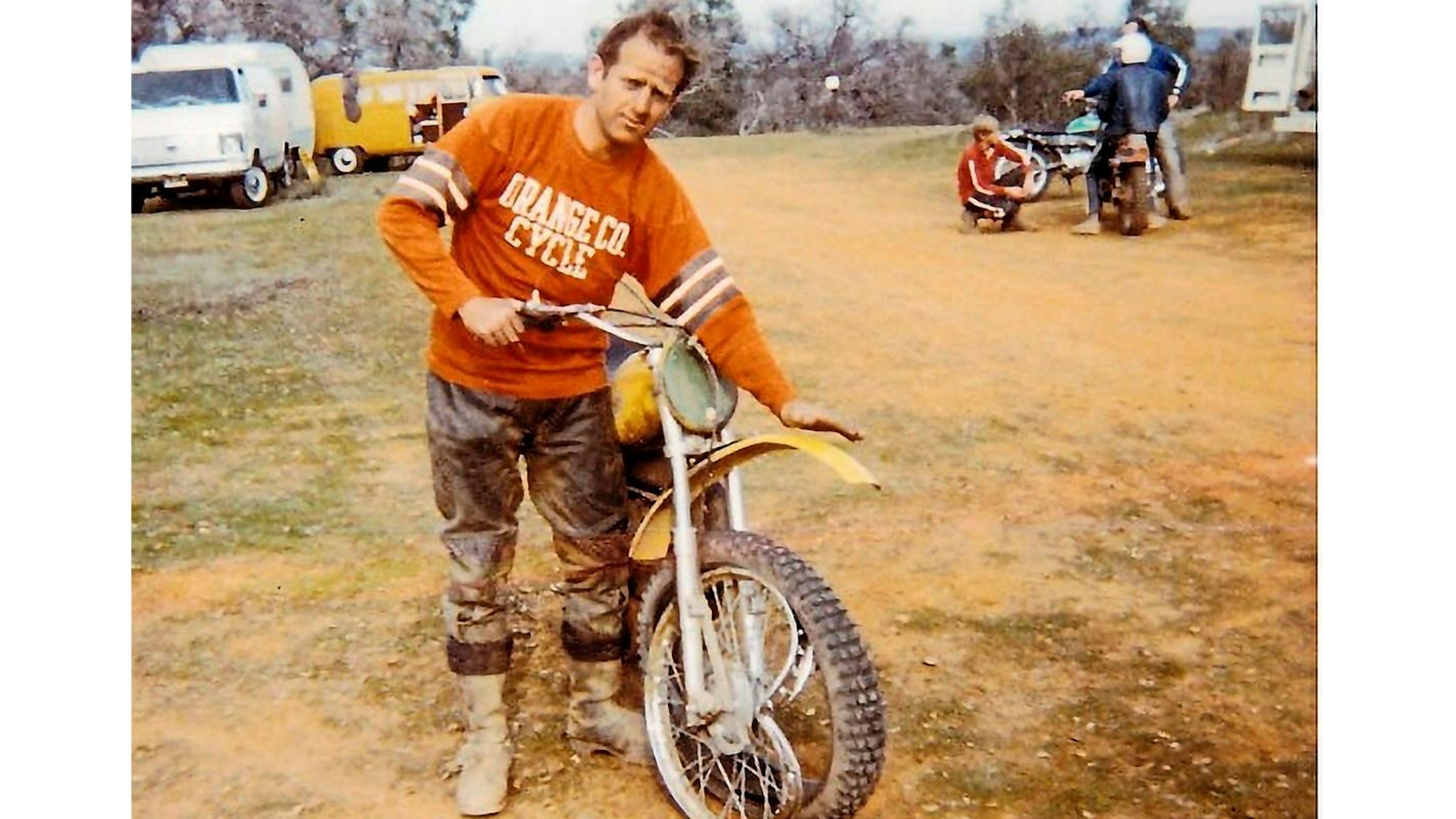
“I soon became a ‘runner up’, which was starting the bikes when they came off the line – you had to kick them over, make sure oil was circulating and the brakes worked. I did that for a while – still racing scrambles every weekend – and then one day the foreman told me to get on a bike and ride a couple of miles round the local streets with him on the pillion.
“Afterwards he said: ‘You’re a tester now’. And that was it – I’d got my dream job, testing about 10 bikes a day. And I got a bike to take home every night and at weekends. So I never owned a road motorcycle, because I always had a brand new one.
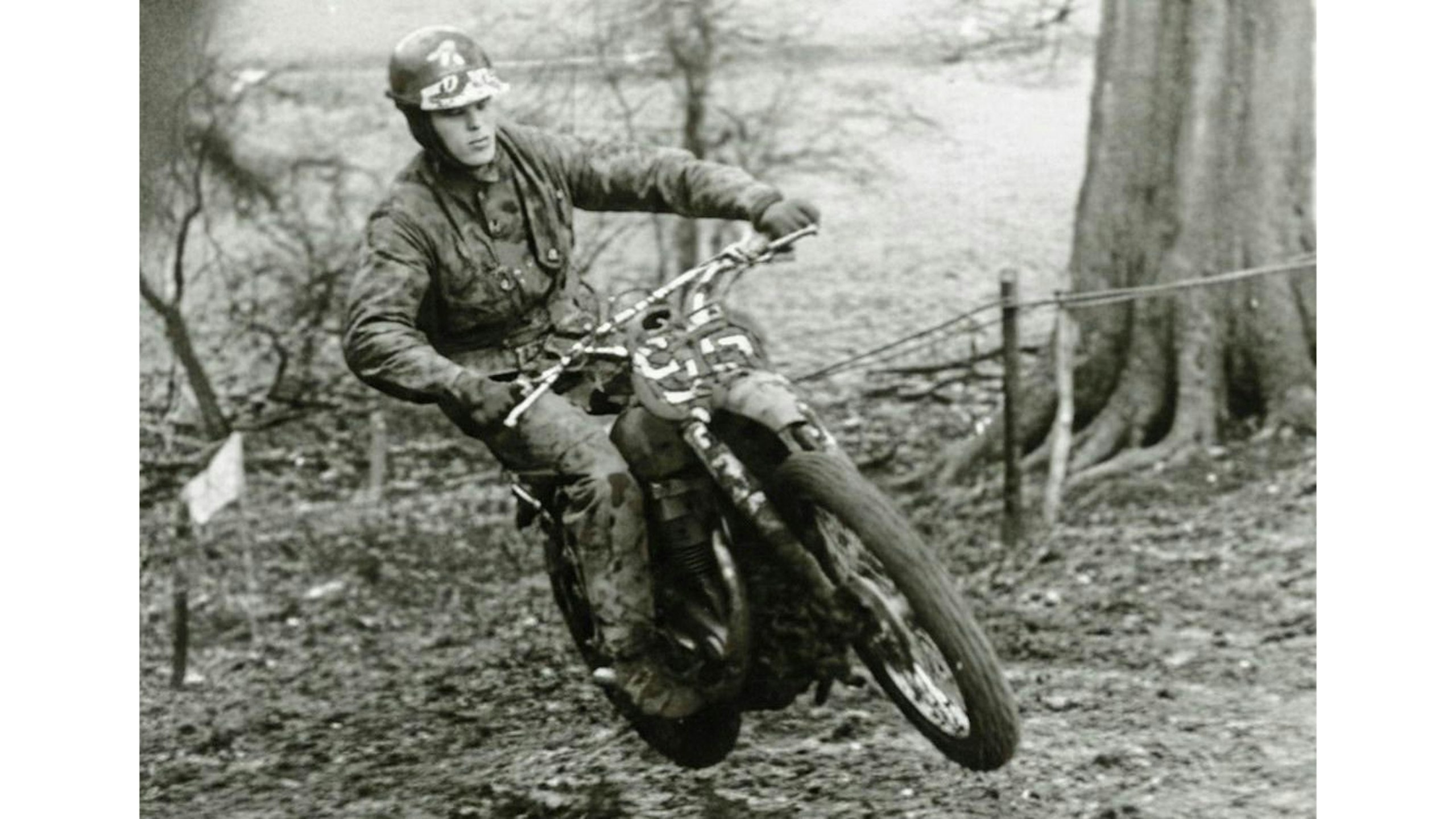
“This was 1958 and ’59, so I was testing the 650 twins – [Matchless] G12s, [AJS] Model 30s – and then the CS export ones with alloy mudguards and the Siamese pipe, and then I would be on the 250 lightweights – G2s – and the trials and motocross bikes and a lot of military bikes. These were all short production runs – we never did 100s, it was always 30 or 50. Sometimes we’d do 15 trials bikes.”
At weekends, meanwhile, Brian’s racing was improving. He’d converted the Greeves 197 to a 250, then started running it on methanol. “The problem was that every time I landed from a big jump, it would break the gearbox main shaft. I used to go to Colin Seeley [a Greeves dealer at the time] because he rode scrambles too, and traded it in for a Gold Star.
“I did pretty well on that, graduating to expert and making a little money. I was mid-pack, but never rode over my head – I never crashed. Maybe I should have gone faster, but it meant I was good at long distance – when I did the 100-mile scramble at Purbright I finished sixth, which doesn’t sound much, but everyone in front of me was a factory rider.”
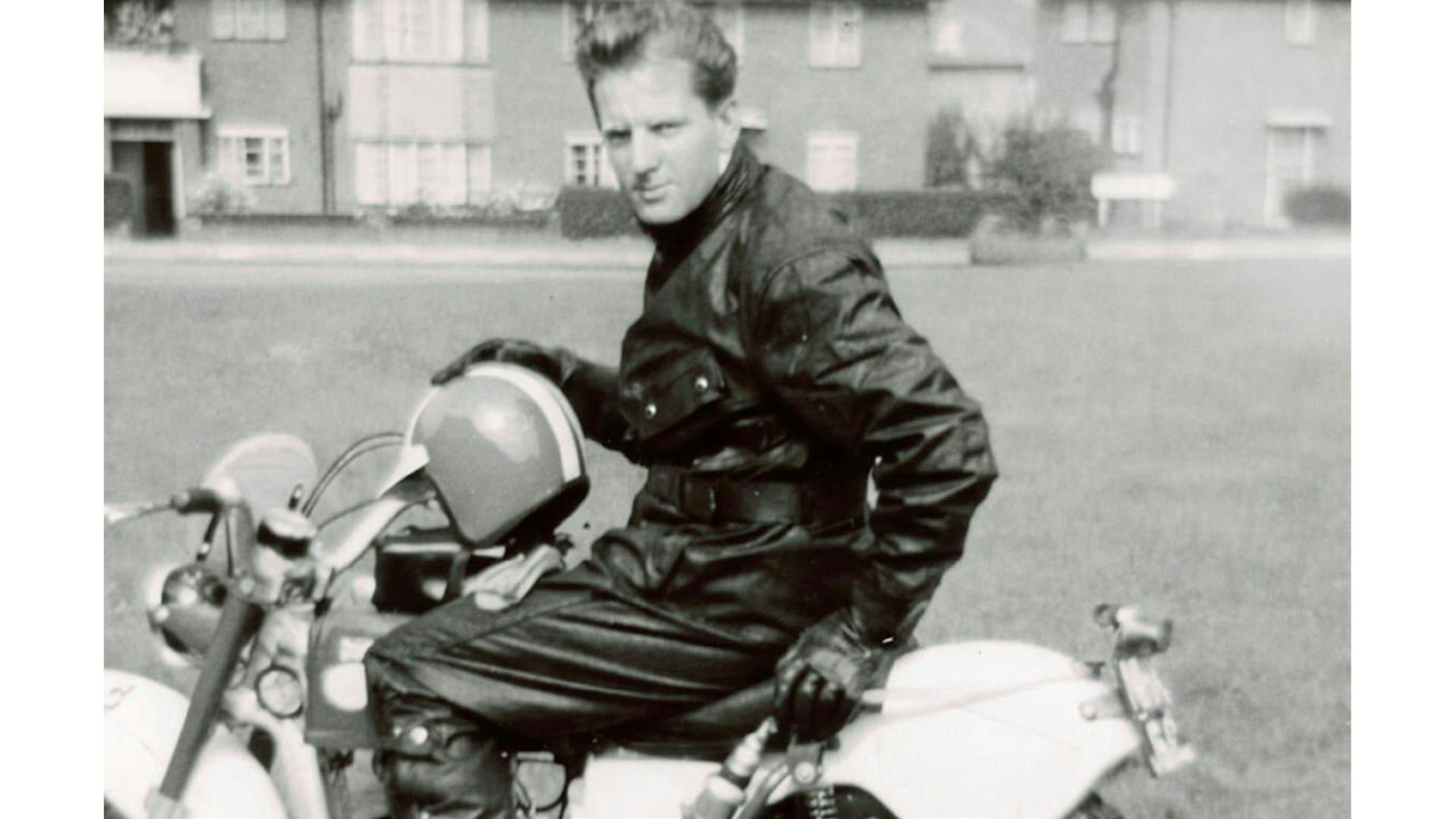
Hugh Viney eventually spotted Brian’s combination of off-road skill and mechanical nous, and moved him to AMC’s competition shop across the street from the factory. “This is where they did the 7Rs and G50s, but I worked on one of three benches at the end doing the factory trials bikes, scramblers and ISDT bikes. It was great because another guy working with me was an ISDT rider, and if either of us made something special for the factory bikes, we’d make one for each of us too.
“The guys there also built me a really good 560 engine [from a 500] and I put it in my BSA frame, so I had a MaBSA – and it was fast.”
His friend Alan Fox – a factory Greeves rider – went to California and wrote to inform Brian that sun, surf and desert racing was the way ahead. “Then I got chatting to Bud Ekins, who used to come to the competition shop [he rode for Matchless before Triumph], and I’d loan him my MaBSA so he could ride some muddy events to prepare for ISDTs.
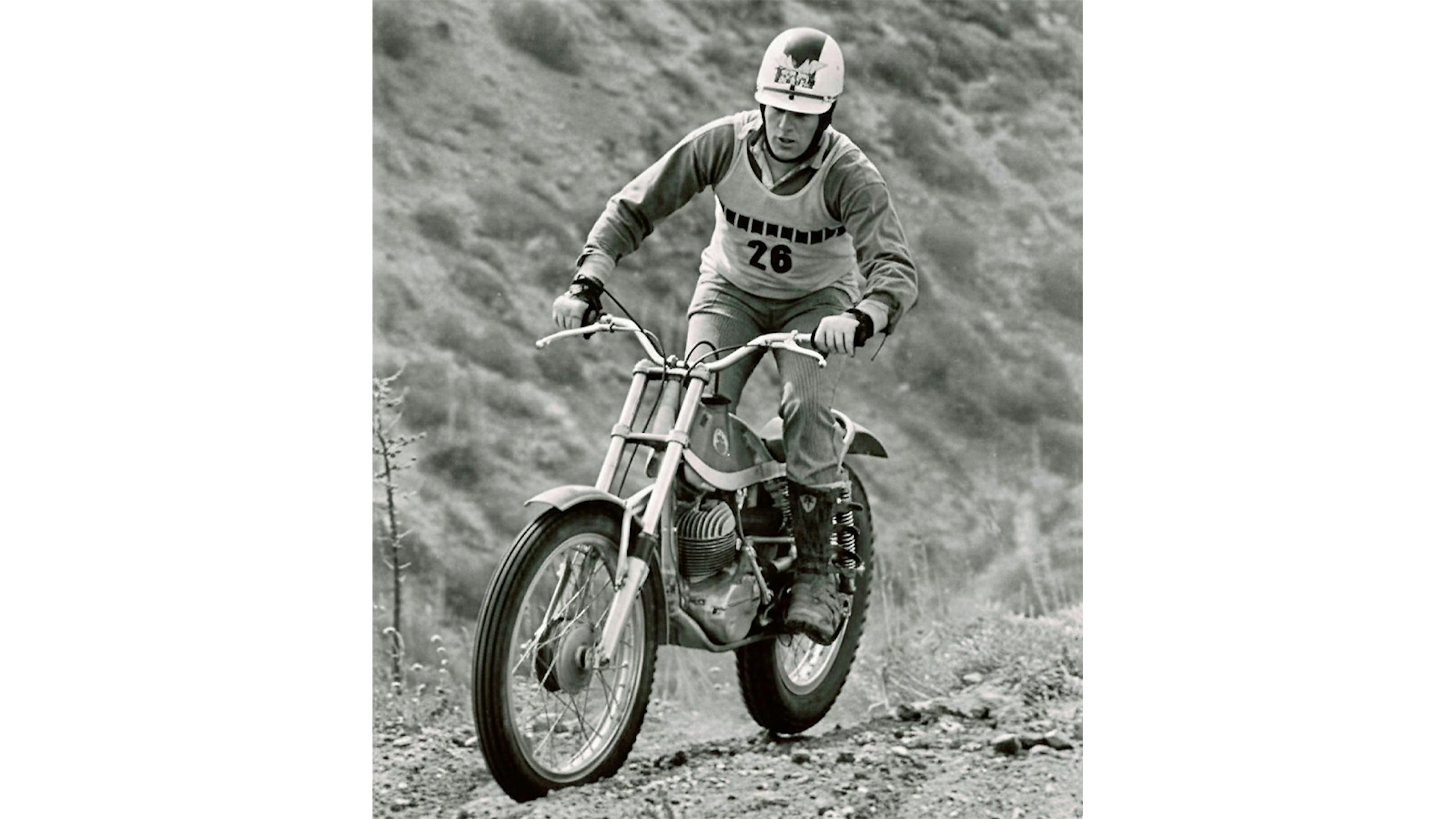
“At one party – I remember a big bottle of scotch was involved – Bud said: ‘Why don’t you come over to California and do some desert racing?’ After what Alan Fox had told me, I immediately sold my bike and my Thames van, got a visa and hopped on a plane.”
And so began Brian’s American odyssey. “One of my friends worked for the Greeves importer, and he found me a bike to ride at a race in Northern California – a hare scramble. The key thing here was that it was very muddy, so right up my street.
“It had a unique starting procedure – a guy came out and fired a shotgun in the air. I got a flying start and was in front of Dick Mann and all the top guys – coming from England, the mud was like home. But the bike cut out during a big river crossing and that was me out. The Greeves guys were impressed, though, so they gave me a Challenger to ride.”
Besides now being a factory rider, Brian was hanging out with the desert racing crowd. “Bud was the coolest guy in the world. Steve McQueen used to hang around with Bud, but he was a different kind of cool. If anybody had a camera, McQueen was there posing. But Bud was so nonchalant, and of course an incredible rider.
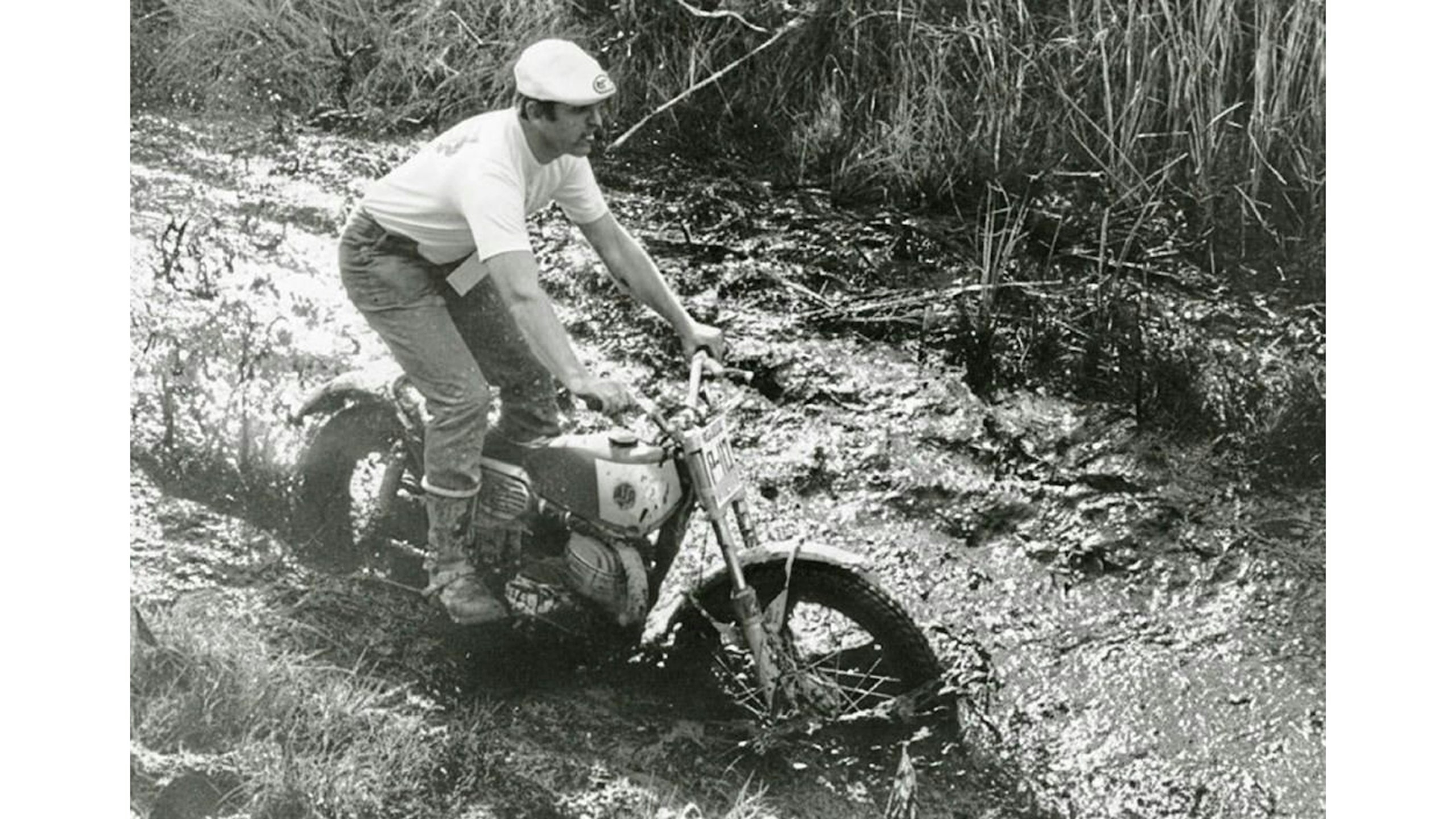
“He could get on any bike and win – he would win desert races by 20 minutes. And every day he would drink a fifth of scotch [ie, a bottle] and smoke incessantly, but I never saw him the worse for wear. He was a character and a good guy.”
Knowing Brian’s British background, Greeves’ American boss persuaded him to do the ISDT on the Isle of Man in 1965. This suited Brian, as his wife was pregnant with their first child and the couple wanted to be near family. But things didn’t work out.
For a start, the ISDT was a disaster. “The course had been laid out in the dry, but that year was the only time a hurricane hit the British Isles and the course became almost impossible. There were 43 finishers out of 300. Guys were up to their thighs in mud. I lasted until Thursday, when my ‘unbreakable’ front mudguard broke in half, so mud was continually fired into my face and eyes. I was out, done.”
Then there was family life. Once his daughter was born, Brian went back to work at AMC until halfway through the winter it hit him – he hated the British weather. “My wife and I thought: ‘Why aren’t we in Southern California?’ So we went back.”
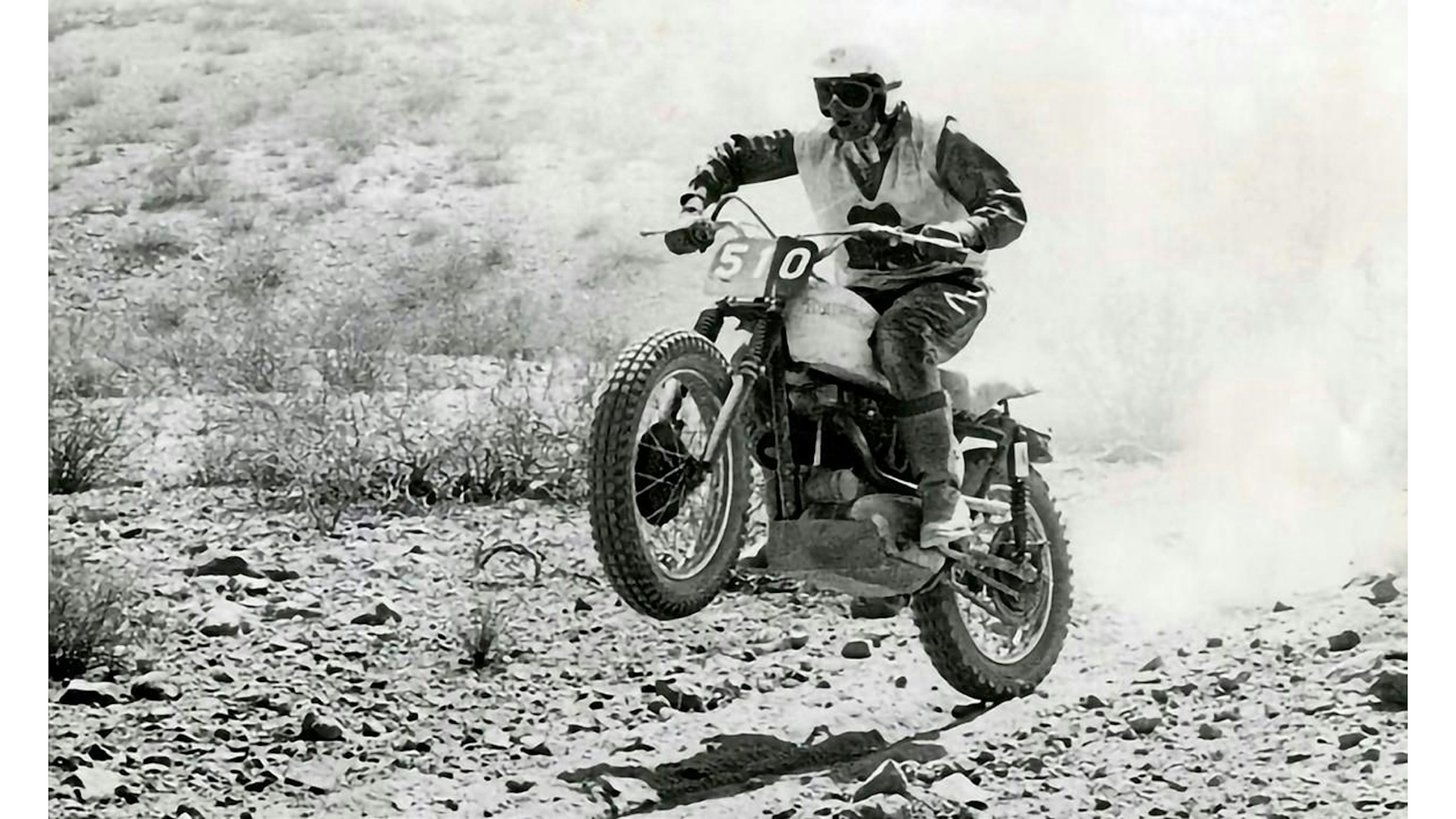
Brian became BSA Western’s assistant service manager, fettling both Triumphs and BSAs for the distribution company. “I was also importing Cheney frames to make some extra money, selling kits for Triumph 500s and BSA 441 Victors. Then a guy called me and said his name was William Colquhoun. I had no idea who he was [the managing director of BSA], and he said he was with another bloke called Dennis Poore [the boss of Norton].
“They asked me to start a new Norton distribution centre in Los Angeles. I wasn’t sure, because I liked my job, so I went to a hotel in Los Angeles to meet them and they were so infectiously enthusiastic that I agreed to be the new service manager.”
And so, on January 1, 1969, another chapter of Brian’s life started. “I worked my butt off because we were a small team, but Poore was great. There have been a lot of bad things said about him, but he didn’t have to buy Norton – the only reason he did was that he was an enthusiast. He used to come over to see us and he was great – a very smart man. I liked him.
“And we were successful. I built a Commando for Cycle magazine for a superbike shoot-out – and when it won, we sold a ton of bikes. Then we took on AJS. At about that time, motocross was just getting going in the States and I was the guy who knew all about it – how to lay out the tracks and so on.
“I started mentoring a lot of kids, getting them into the sport and eventually ran the AJS motocross team, made up of these youngsters. Some of them went on to ride for Husqvarna and the factory teams.”
“So,” I interrupt, “you introduced motocross to the USA?” Naturally Brian denies it, kind of… “People say I started it all, but that’s not quite right. All I did was help it along because I knew all about scrambles.”
And with that, he’s on to his next moment of motorcycling influence – how we fix bikes. When Norton went pop, Brian hooked up with a mate who worked for Clymer, the US workshop manual company. “Until then, they’d always done line drawings of engines, which I thought were awful, so I suggested they took photos of a Commando engine as I stripped it. That went down well, so I started doing tear-downs of other bikes – big road bikes, motocross machines, everything. I did that for many years from my own workshop, while I dabbled in selling Norton parts.”
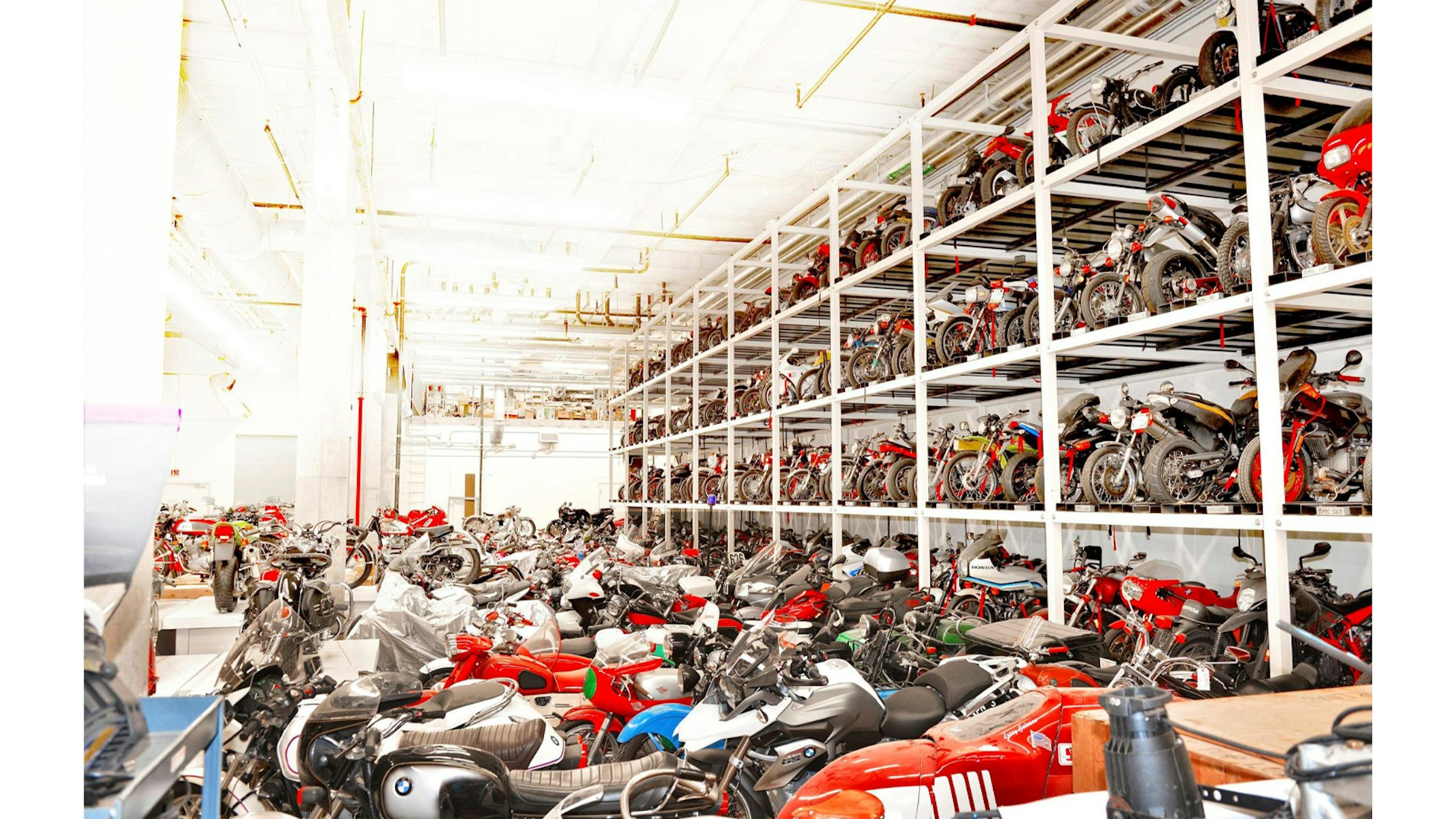
With the format of manuals sorted, Brian moved on to museums. “One day I was at a motorcycle show in LA and I met a guy called Dave Mungenast who rode ISDTs with Malcolm Smith [of On Any Sunday fame], who was a mate. Dave ended up with eight massive Honda car dealerships around St Louis and asked me to buy classic bikes for him – he was dabbling in selling them – so I did. But the problem was he never actually sold any, so it ended up being a bloody museum. That led to me being approached by George Barber in Birmingham, who asked me to help get his collection up to scratch. He said: ‘I want to build the best motorcycle museum in the world,’ and I believed him, so I moved to Birmingham in 1995 and I’ve been there ever since.”
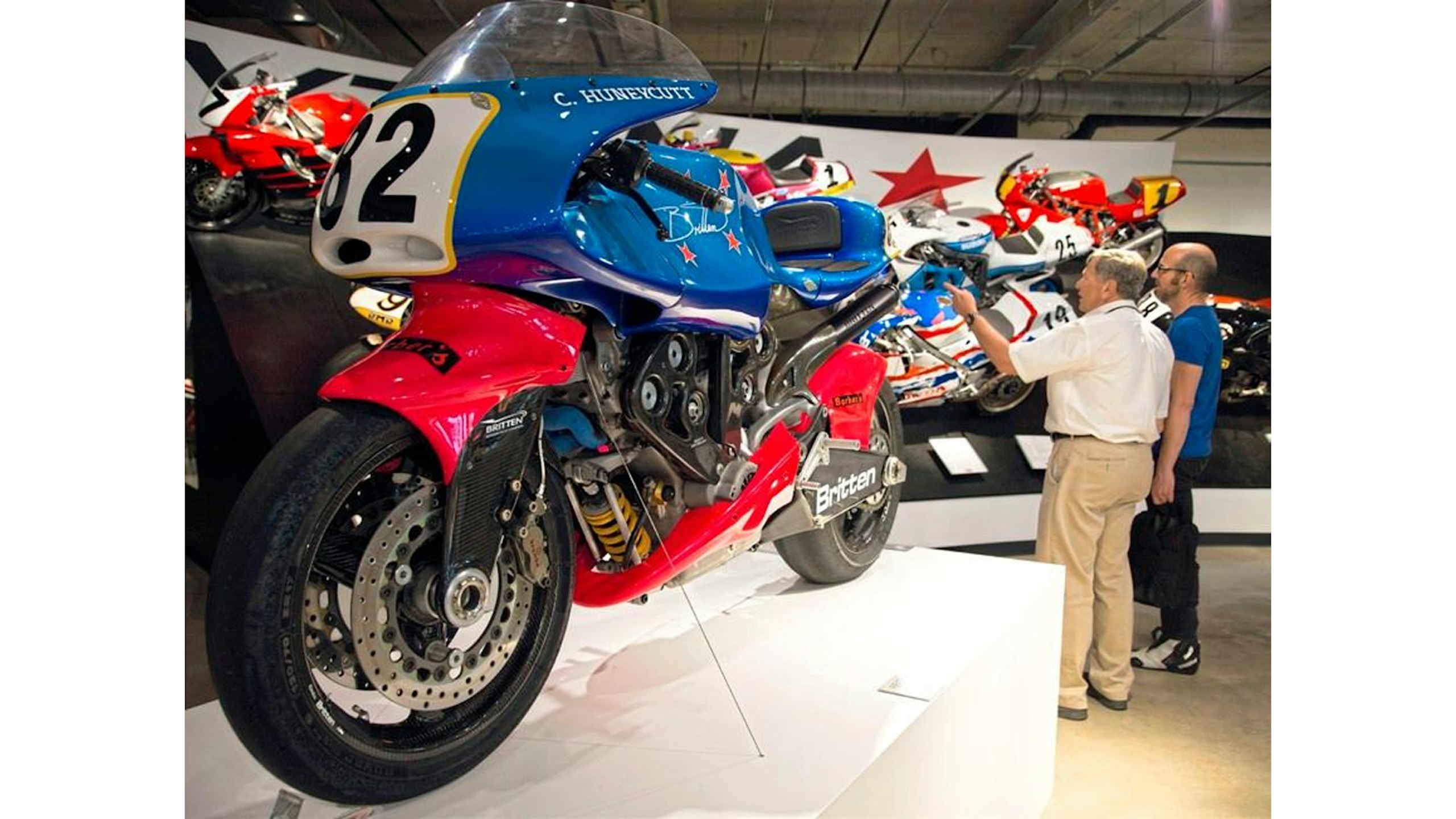
Brian was part of a team of six full-time bike restorers, pumping out incredible bikes until a total of 2000 were in the collection. “These days I go in one day a week and I share an office with Pierre Terblanche [the ex-Ducati designer responsible for the 888, Supermono and more]. Pierre works for the museum’s technology centre and is fantastic.”
I’m aware our time is up, and we haven’t even touched on some of the extraordinary bikes he’s restored, so instead I wonder if he’s finally got his dream job. “I’m happy, sure,” he says. “But I was probably happiest in my 20s when I was riding motocross. We were just a bunch of young guys without a care in the world – no credit cards, no phones, nothing. Lots of us worked at AMC – plenty were in maintenance, which meant they could steal whatever parts we needed. Mike Duff [GP winner, later Michelle], Peter Pawson [top TT racer], Hugh Anderson [four-time world champion]... and loads of other road racers.”
I splutter, frustrated that we have no time to talk about yet more extraordinary names. Brian, of course, just carries on: “And California was great too because it was all so new, and there was the beach, and I’d go down to Bud’s house and McQueen and Malcolm [Smith] would be there and we’d chat for hours. I met some lovely people...”