Rick rides
Its ‘King of the Rockers’ looks have always attracted Rick – but surprisingly, this is the first Matchless twin our Brit bike supremo has ever ridden. Can it deliver on its glinting promise?

Words RICK PARKINGTON Photography GARY MARGERUM
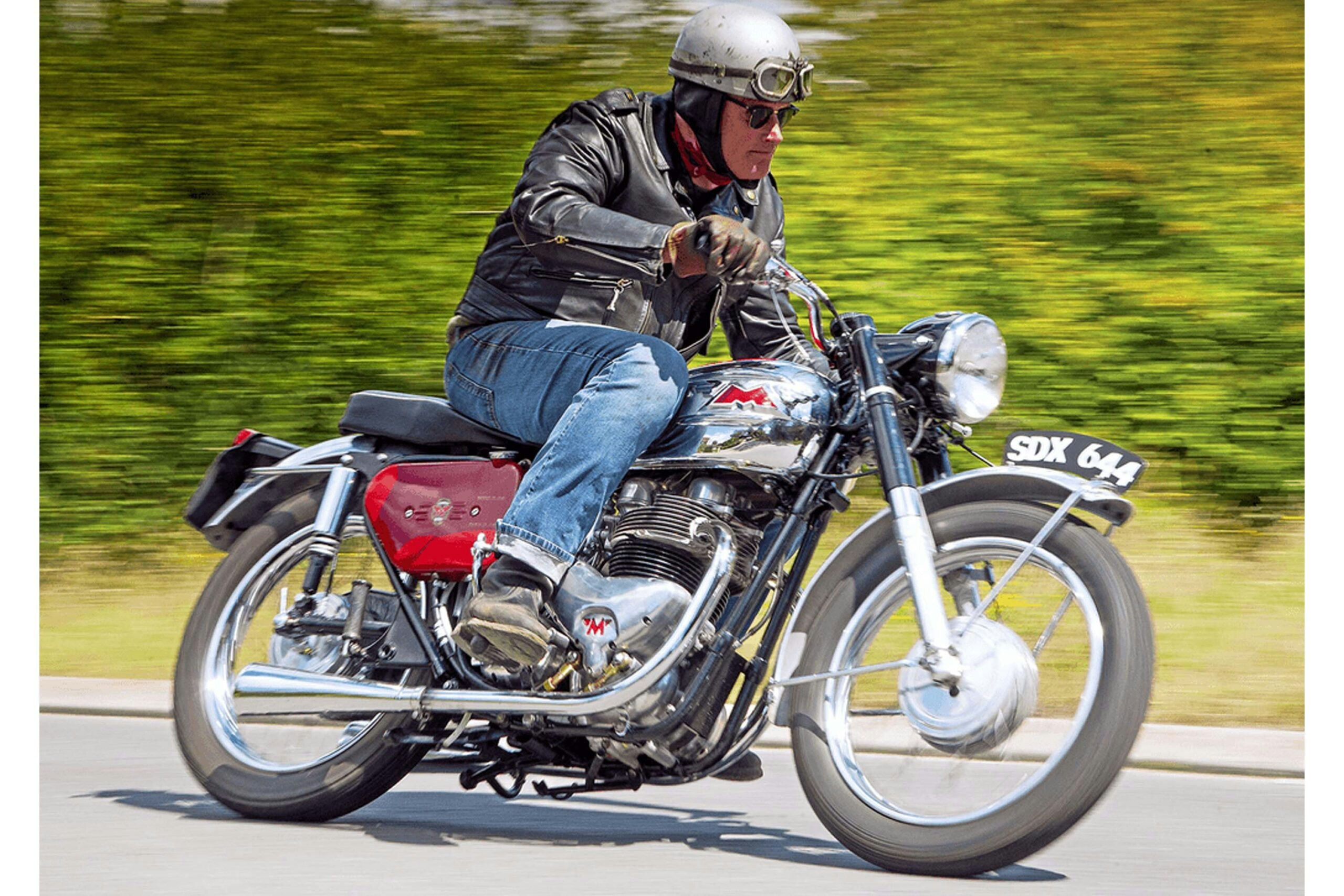
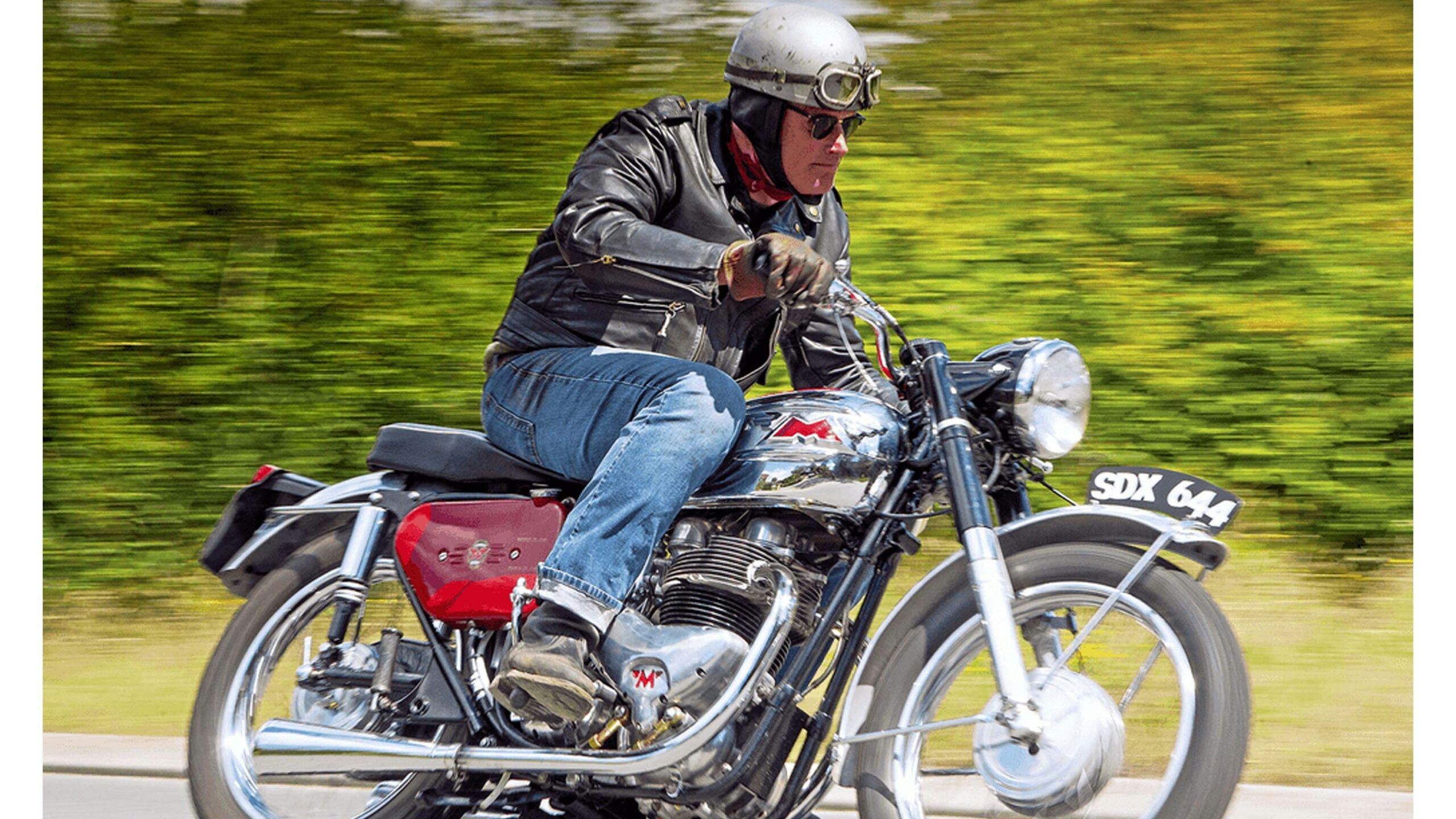
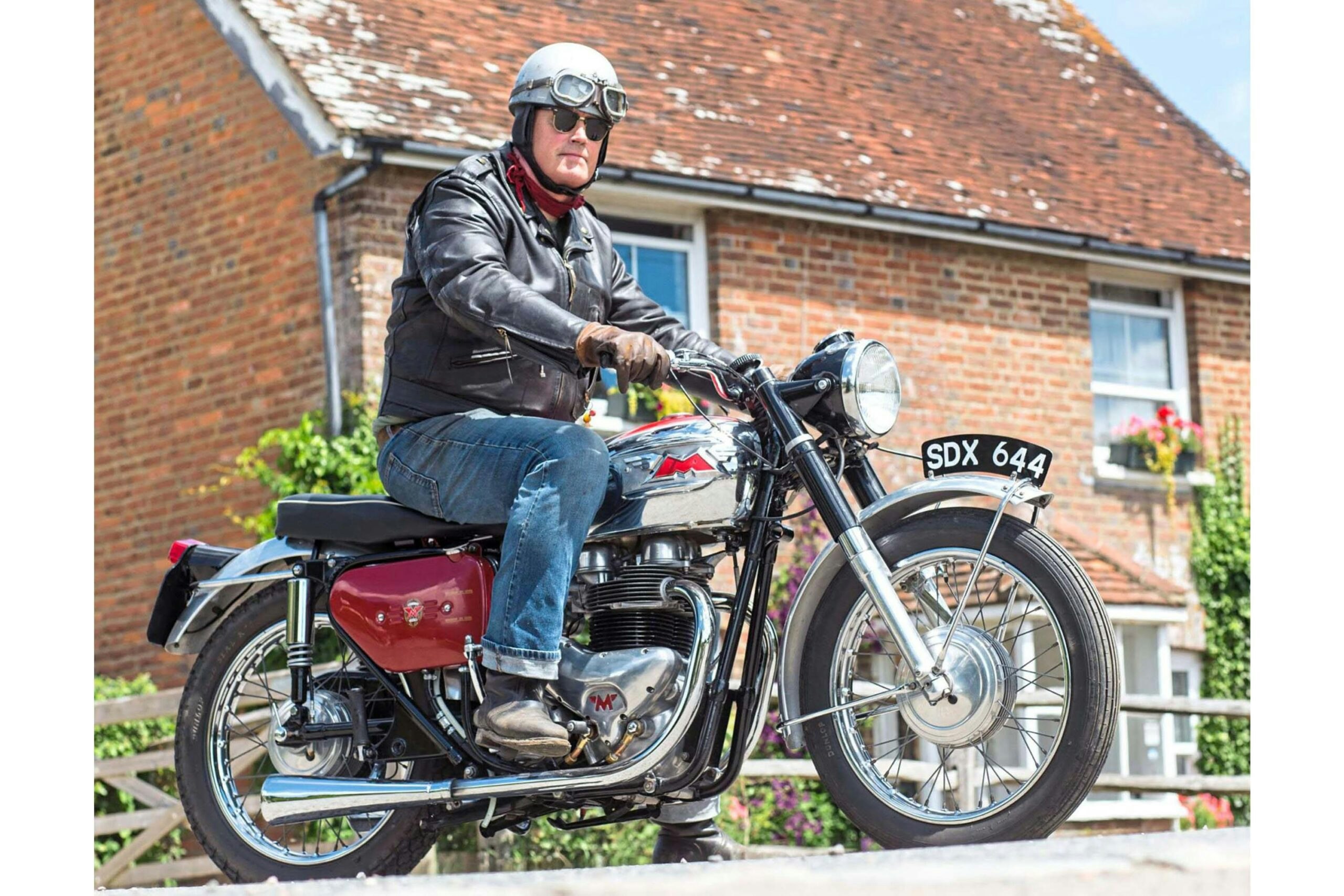
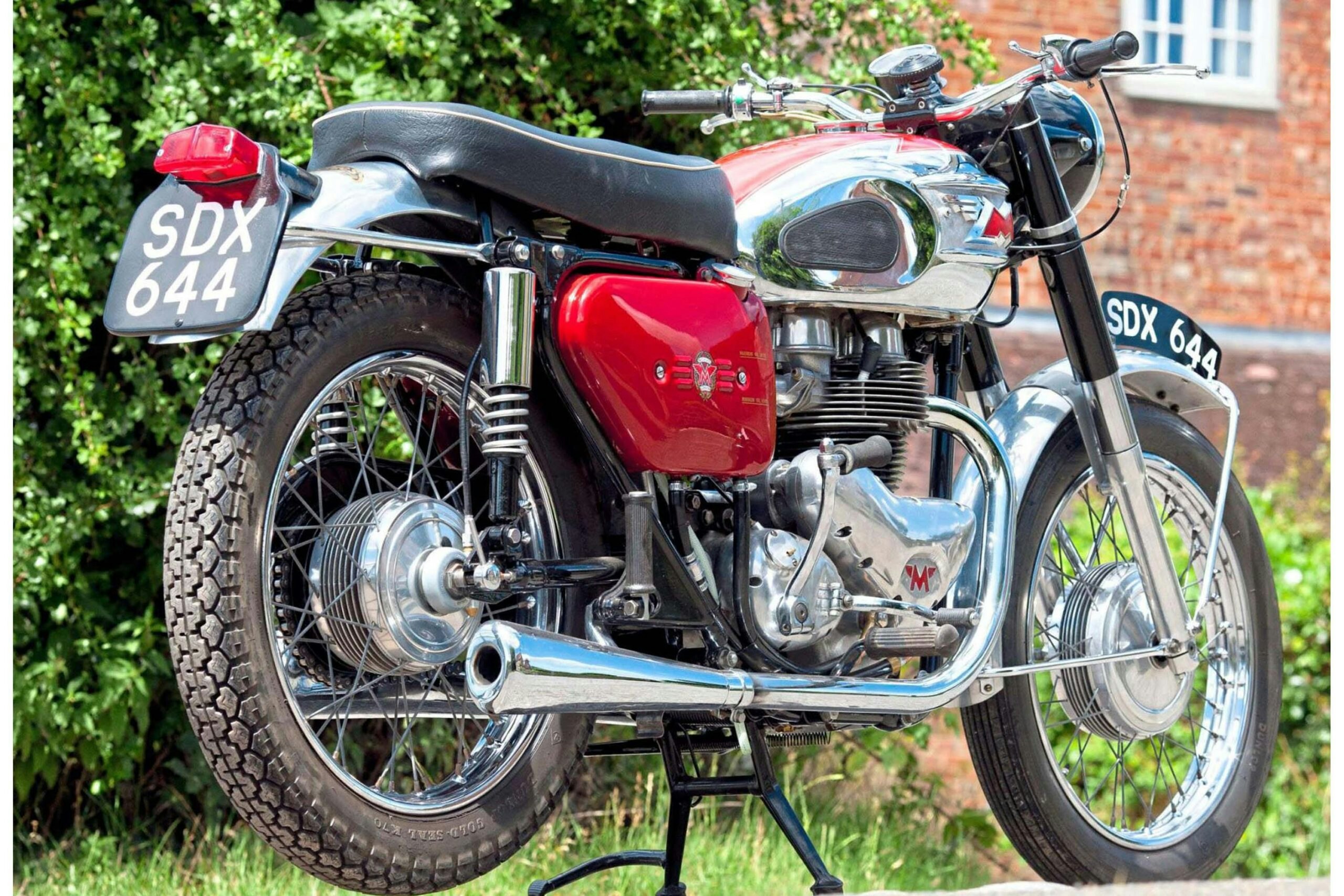
Yes, I know road tests are supposed to be very matter of fact. A technical evaluation, like putting a bike through its Eleven Plus examination. But the first thing I want to say about the Matchless in front of your eyes is... just look at it. What a very pretty thing. I know beauty lies in the eye of the beholder, but on a day like today with the sun bouncing of the mix of fiery red, polished alloy and chrome, it’s hard to deny its appeal.
One of the pleasures of classic bikes is the chance to buy with your heart, not your head – and looks form a big part of that. I have flirted with AJS/Matchless twins over the years, nearly buying one on a couple of occasions, but this is the first one I’ve ridden.
Fuel on, I retard the ignition a shade (sports riders still regarded auto-advance as a bit amateurish in the early ’60s) and with a couple of kicks the G12 comes to life, a muted but assertively deep note emerging from its twin megaphone-style silencers. Up into first on the reverse-pattern Norton/AMC box and away we go.
I didn’t know anyone with a Matchless twin in my young days. That was part of the appeal of this bike – I like a bit of mystery. They were unusual in the early ’80s, even compared to BSAs, Triumphs and Nortons, which themselves stood out in pub car parks otherwise rammed with Japanese bikes. Many bikes later, I’ve settled on Triumph to tickle my parallel-twin fancy – but having missed out on the Matchless, it’s good to check if I made the right choice.
Changing up through the gears the engine feels beefy, like it has a bigger flywheel than my ’59 Thunderbird. The Triumph isn’t a sports model but it still seems revvier, and I wonder how the Matchless would fare against one of the more lively Triumphs in a traffic light GP. It pulls strongly enough from low down, but I suspect it would start running out of enthusiasm while the Triumph was still revving merrily away.
I’ve heard that the 650s have a reputation for vibes too, although this feels OK. I’m told that Matchless dynamically balanced their cranks – but that may not help after decades of rebuilds and rebores with oversize pistons. My impression is that this is an engine that’s happier to build up to a speed and stay there than haring up and down through the rev range. Given that the G12’s greatest production racing success was in long-distance events, that may not be far from the truth.
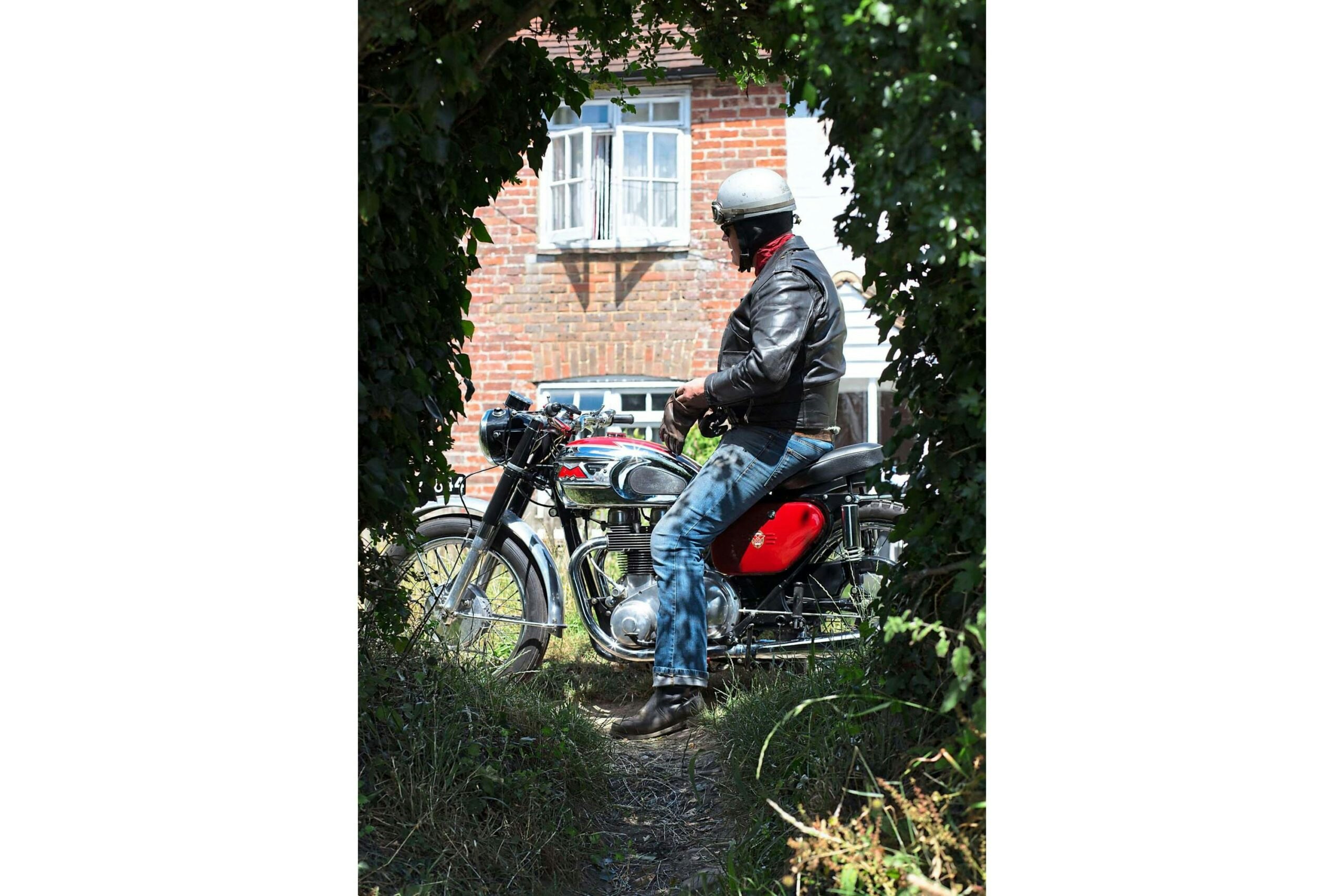
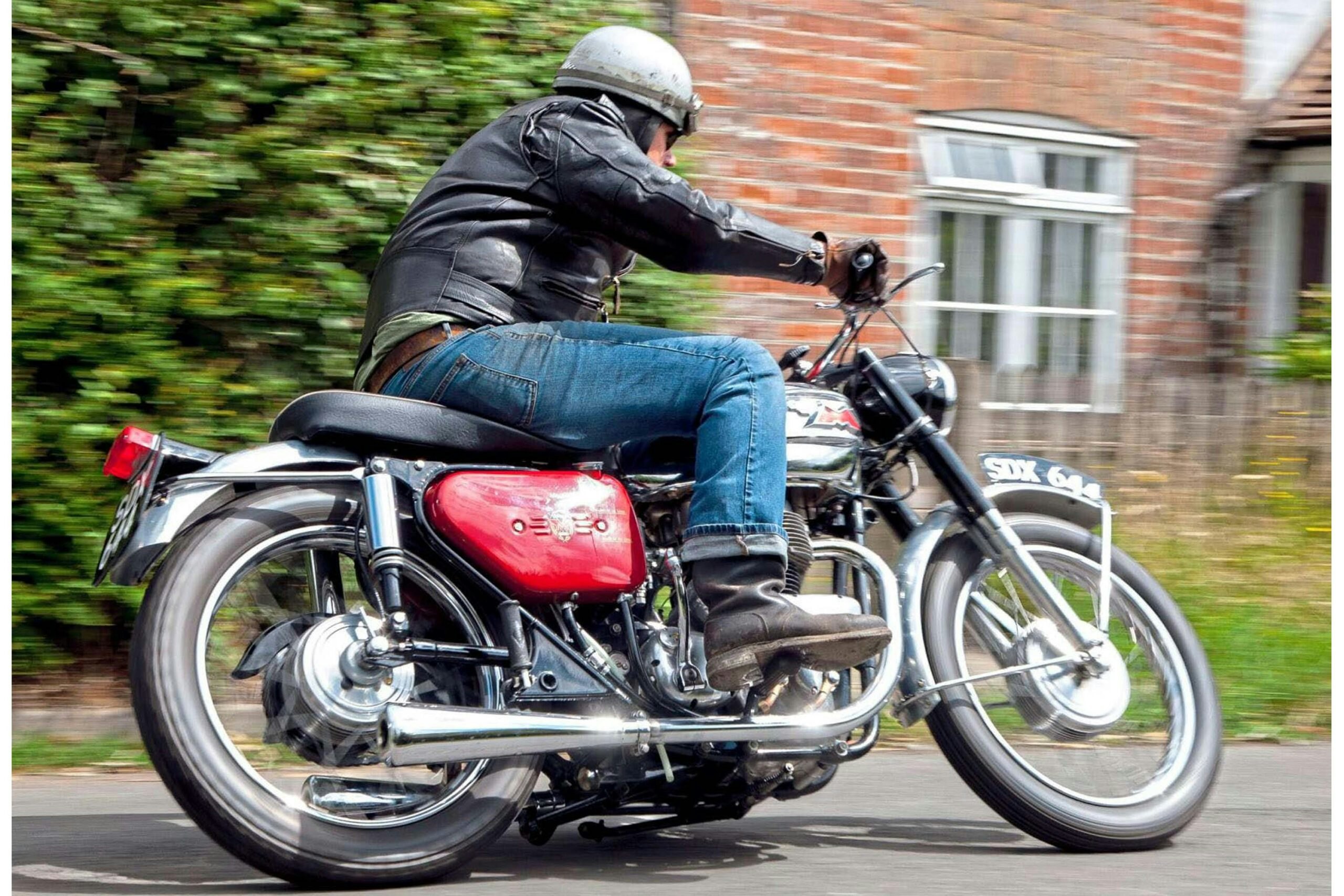
The heavy crank feeling translates to the bike as a whole. It’s ‘chunky’ – although this isn’t a criticism, it’s more of an impression. If anything, it seems bigger and heavier than it is – I think it’s just got a solid quality to it that makes it feel firmly rooted to the road. Matchless frames may not attract the same reverence as Velocette or Norton, but I’m immediately impressed by the G12’s handling. I feel instantly at home pushing it through bends, because it feels so stable. Neither rock solid nor flickable, it’s simply firm and under control, like a toned muscle. I’m genuinely surprised at how soon I find my boot scrubbing the tarmac; I didn’t think that I was trying that hard.
Associated Motor Cycles (AMC, the parent company of AJS, Matchless and later Norton) updated their original single-downtube frame to duplex in 1960. They’d been one of the first to fit swingarm suspension. The original ‘Springtwin’ appeared in 1951, when other manufacturers were still fooling about with plungers and sprung hubs. Part of the original design had been a unique clevis bottom shock that restricted choice of replacements, but that had been abandoned by the time the test bike was made – and on the roads I’m riding today, I can’t fault the handling.
The brakes are another surprise. Seven-inch single-leading-shoe, front and rear, is not very impressive for a sports 650, yet these work very well. Whether they’d fade under more duress I (thankfully) don’t discover, though the attractively-finned alloy drums may keep them cool enough to prevent that.
‘Just look at it – what a very pretty thing’
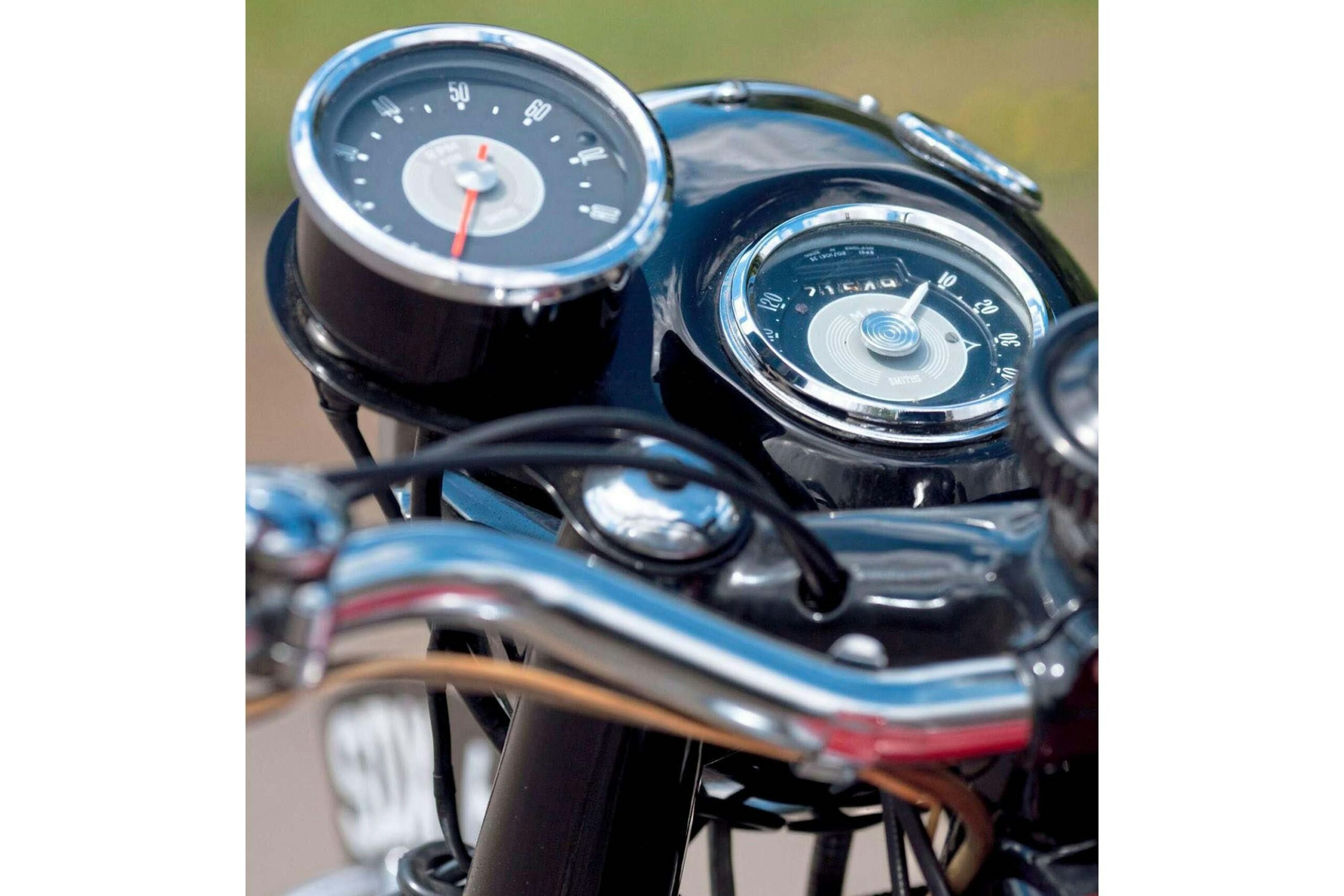
These late models have alternator electrics, making 12-volt conversions easy. Touring models were equipped with coil ignition and a distributor, but popular opinion dictated that sports bikes should have magnetos because the spark intensifies with speed. The rev counter may look a bit strange, stuck up on a separate bracket – but again, that was a performance marker. Rev counters were a racy extra; there was no room for it alongside the speedo, so why not show it off? It’s a wordless statement: ‘I know it’s not tidy, but for my type of riding it’s an essential.’
That’s the thing, you see. Really the G12 CSR is a bit of a sheep in wolf’s clothing – but what a handsome wolf it makes. Image is just a part of fashion today, but time was when you had to be what you pretended. Before World War II, you sought ridicule just by wearing a helmet (‘Think you’re a racer?’) and even in the 1950s, parking a fast bike outside a strange café might earn you a ten-bob note left on the saddle – a challenge wager from the local ace, you either accepted or left quickly.
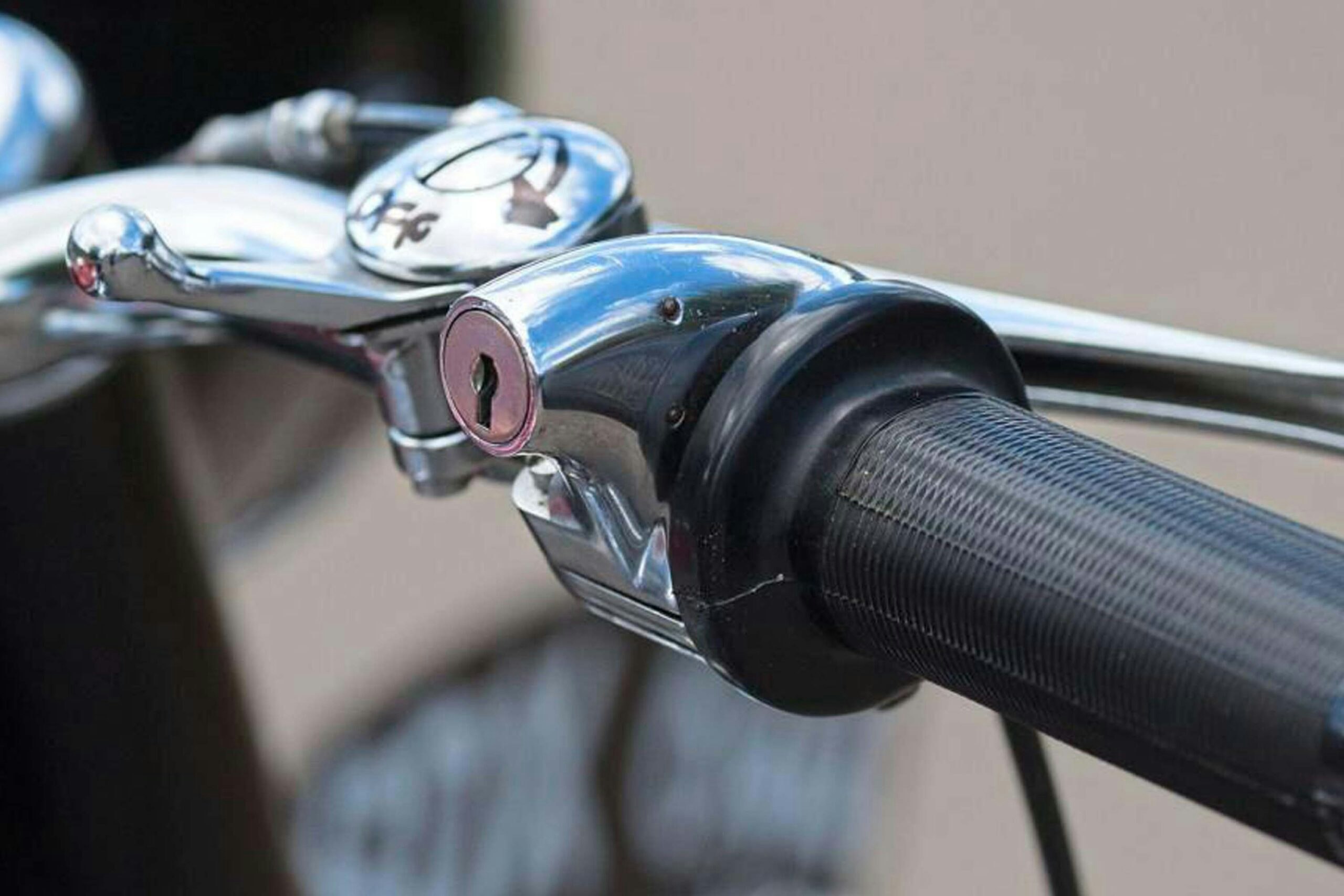
But the softer ’60s was less hard on poseurs. Kids stomping about in big boots and studded jackets got away with turning up on a Bantam with the ’bars turned upside down. Well, those kids would soon be taking their tests and Matchless recognised there was money in making something that looked the part enough to catch their eyes.
Not everybody liked it, though. For older riders, Matchless reflected a time when the world was in black and white. The 350cc G3L had been the favourite wartime despatch rider’s bike with its tele forks and perky motor, and company products seemed to carry on with military efficency in peace time. Designed with quality, mechanical quietness and reliability in mind they were finished in black, as profoundly deep and glossy as a parade-ground toecap. Who’d think Matchless of all people would about-turn like this and try to get in the groove? CSR? Huh, ‘Coffee Shop Racer’!
The CSR may seem tailor-made for the café scene, but in fact demanding US distributor Joe Berliner is said to have been behind the more dramatic styling update. He took on the importation of AMC bikes around this time and knew what he could sell to Stateside riders brought up on shiny chrome plating. Love it or loathe it, the CSR’s style is a statement – something that broke the rules, and that’s something that cements a bike as a classic.
Back in my Rocker-revival days, the G12 CSR was a desirable, if rather left field, choice. But these late models were always scarce – and expensive – and there was also performance to consider. While the Matchless looked spot-on to recreate the original Rocker era, it was known to be slower and less robust that its BSA, Triumph and Norton peers. And because we all liked tearing about, that mattered as much then as in the ’60s.
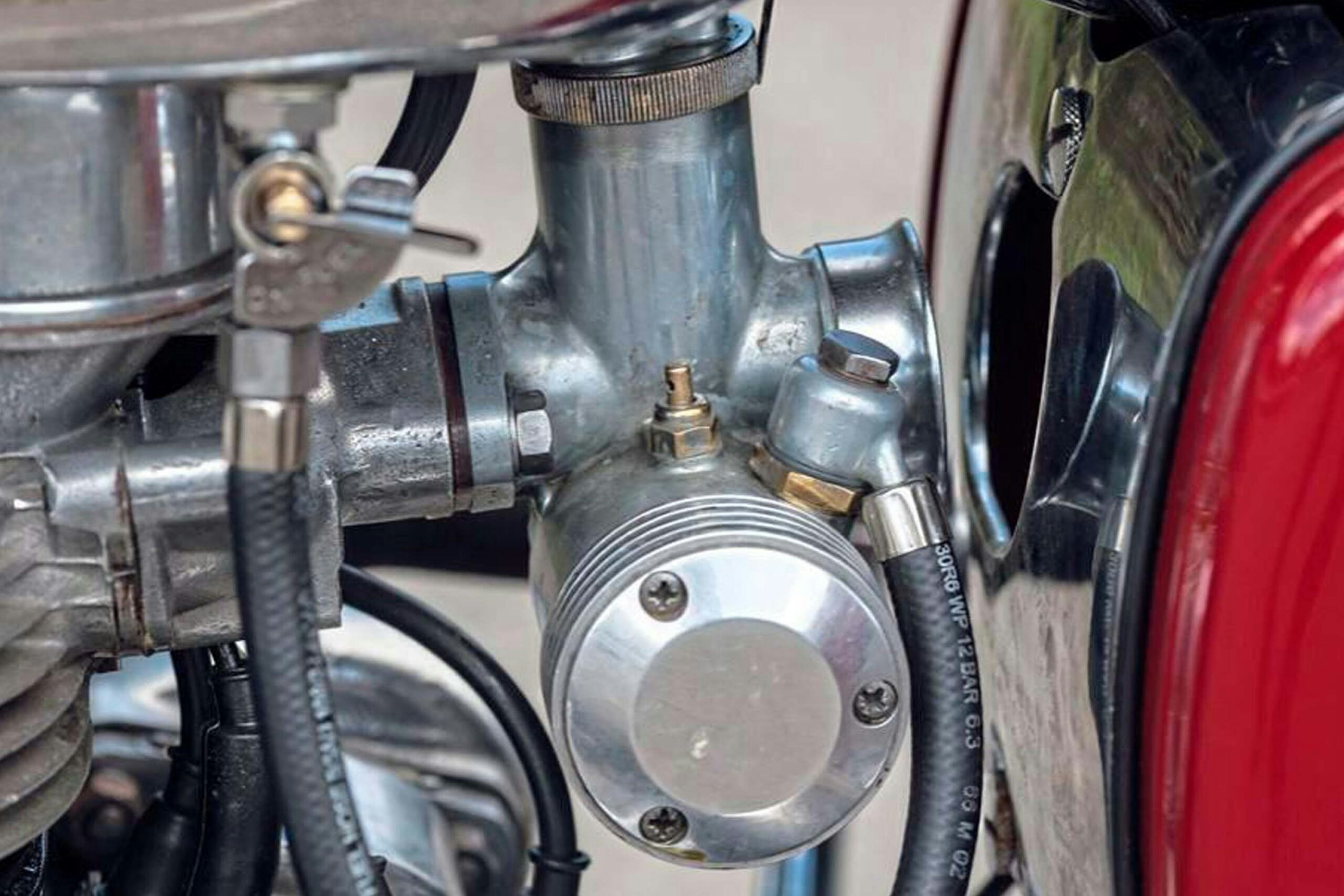
And there is an elephant in this room. The main reason I never bought a Matchless twin was a simple warning from my dad’s generation: “650 Matchless?” (sharp intake of breath) “They break cranks, son.” It doesn’t get much worse than that... but I don’t know anyone affected, and an internet search doesn’t uncover any modern horror stories. So is it really that bad? I’m sure it happened, but ’62-on bikes like this one have the stronger ‘noddy crank’ anyway – and surely any bike that’s lasted this long is alright. It strikes me that back when I was put off buying a G12, in my day job I had to explain to customers why the used Honda CX500 they were looking at wasn’t about to destroy its camchain. ‘Yes, there was a problem on early bikes, but it’s sorted now – why else would they be so popular with despatch riders?’ Mud sticks. I knew the facts with the Honda – but with the Matchless, only the legend.
Nowadays I don’t mind that the Matchless isn’t that fast. It’s pleasant to ride, rare and gorgeous to look at – and that’s what most people want from a classic. Funny, when you’re actually riding you don’t get much chance to appreciate your bike’s visual appeal – beyond a surreptitious glance passing a shop window – but dropping your eyes to the G12’s tank top there’s a dazzling blaze of red and chrome divided by that wild lightning strike, zig-zag pinstripe. Then, further forward, is the dreadnought outline of those outrageous tank badges. With all the subtlety of a Showaddywaddy belt buckle, they could have been prized off anything from a Chevrolet to the Ace Cafe’s Rockola jukebox. Maybe I should have dug my old rocker jacket and winklepickers out of retirement in the loft...
The G12 may not be a real café racer, but it’s a feelgood bike for a sunny afternoon ride. Like someone pretty hanging off your arm, it makes you feel young – and surely that’s what really matters.
This bike is for sale at Cosmo Classics (01424 437719 or cosmoclassic.co.uk)
SPECIFICATION: 1963 MATCHLESS G12 CSR
ENGINE/TRANSMISSION
Type Air cooled 360° parallel twin
Dimensions 72 x 79.3mm
Capacity 646cc
Power 44bhp at 7000rpm
Compression ratio 8.5:1
Carburation Amal 389 Monobloc 1.125in (28.5mm)
Clutch Wet multiplate
Gearbox AMC four-speed
CHASSIS
Frame Steel tubular duplex cradle
Suspension Front: AMC ‘Teledraulic’ telescopic forks. Rear: Swingarm with Girling twin shocks
Brakes Front: Single-leading-shoe 7in (178mm) drum. Rear: Single-leading-shoe 7in (178mm) drum
Wheels Spoked, chromed rims
Tyres Front: 325 x 19. Rear: 350 x 19
DIMENSIONS
Wheelbase 55.2in (1405mm)
Weight 381 lb (173kg)
Performance Top speed 110mph
Noddy to the rescue
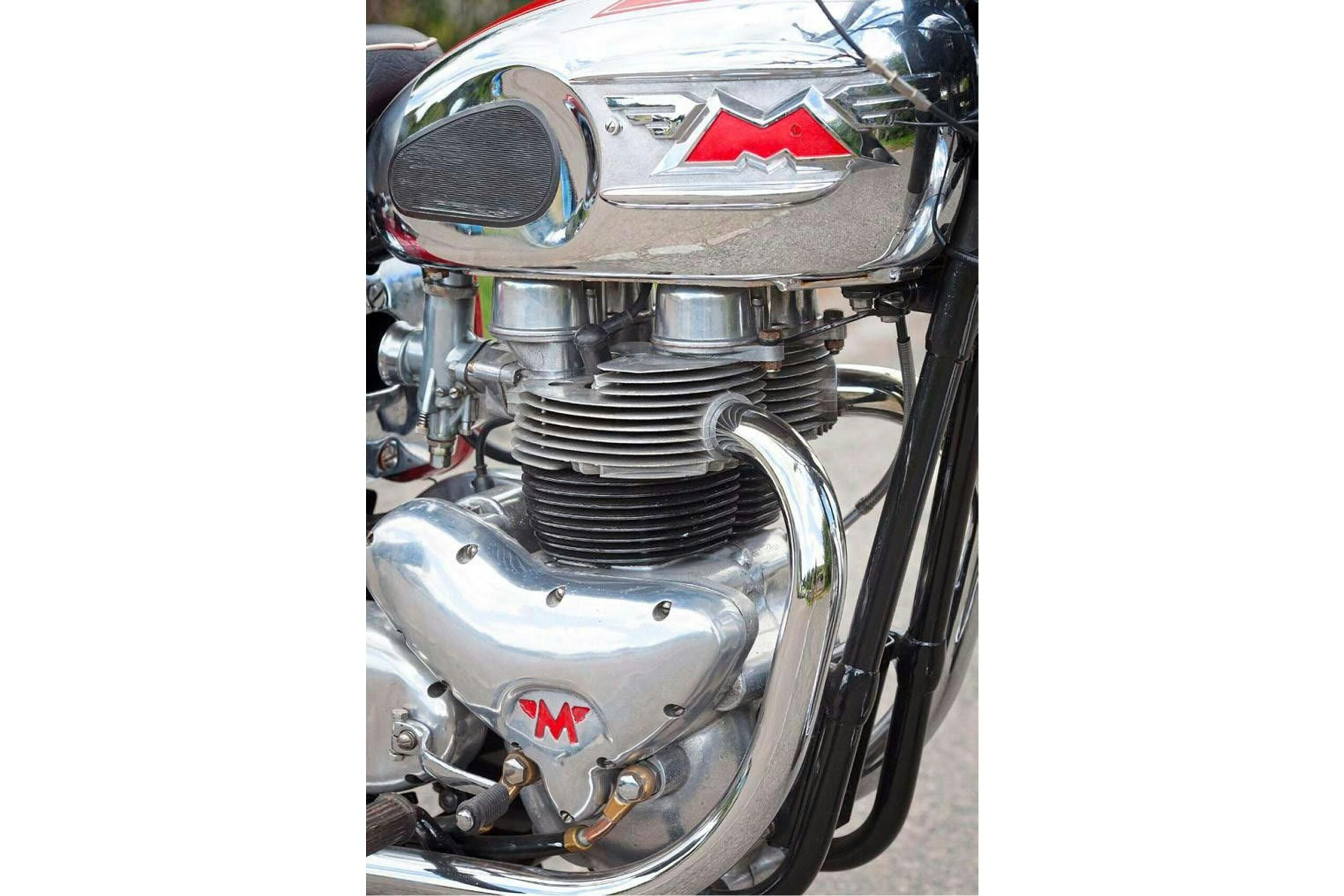
AMC was late to the parallel-twin party, giving them time to assess faults in other designs. In an attempt to reduce vibration, the crank has a central main bearing. The flywheel is divided into two discs with a journal between, and a shell bearing is contained in a cast aluminium disc that bolts between the crankcases. Another peculiarity is that the cylinder barrels and heads are separate, so you can access one piston without disturbing the other.
Pub talk says the extra bearing made the assembly too rigid. Unable to flex along its length, forces focused in one place, causing breakage. The cure was the ‘noddy crank’ – made from tough nodular iron, it was fitted from 1962. Today these are reproduced by the AJS/ Matchless Owners Club.
That’s one explanation. But by raising capacity from 500 to 650cc, with a longer stroke and raised compression, it inevitably put more stress on the design – and a vertically-split crankcase is better located against shuffle by a one-piece cylinder block than the Matchless’s separate barrels.
There’s also talk that a duff batch of cranks led to its bad reputation, but the blame may also lie in complexity. If the centre bearing plate is not perfectly aligned on assembly, excess wear will result – this causes lost oil pressure and disaster. These engines are more complicated to put together than other twins, making them more vulnerable to inexpert hands – and that’s possibly the main cause of trouble.